PEW — Methods 101
Role: Animation Director, Design, Production.
For season two of Methods 101, Pew Research Center tasked De Los Angeles Studio (Dlas) with revamping the series' visual direction. Guided by scripts co-developed by the Pew team and host Courtney Kennedy, we brought the five episodes to life through storyboarding, design, editing, and animation, ultimately adapting this fresh aesthetic for their social media platforms.
Project Highlights:
5 Episodes
4.9M Views
7.2K Likes
163 Comments
Across: Facebook, Instagram, LinkedIn, and YouTube
*As of September 2026
*As of September 2026
A playful approach to a complex subject
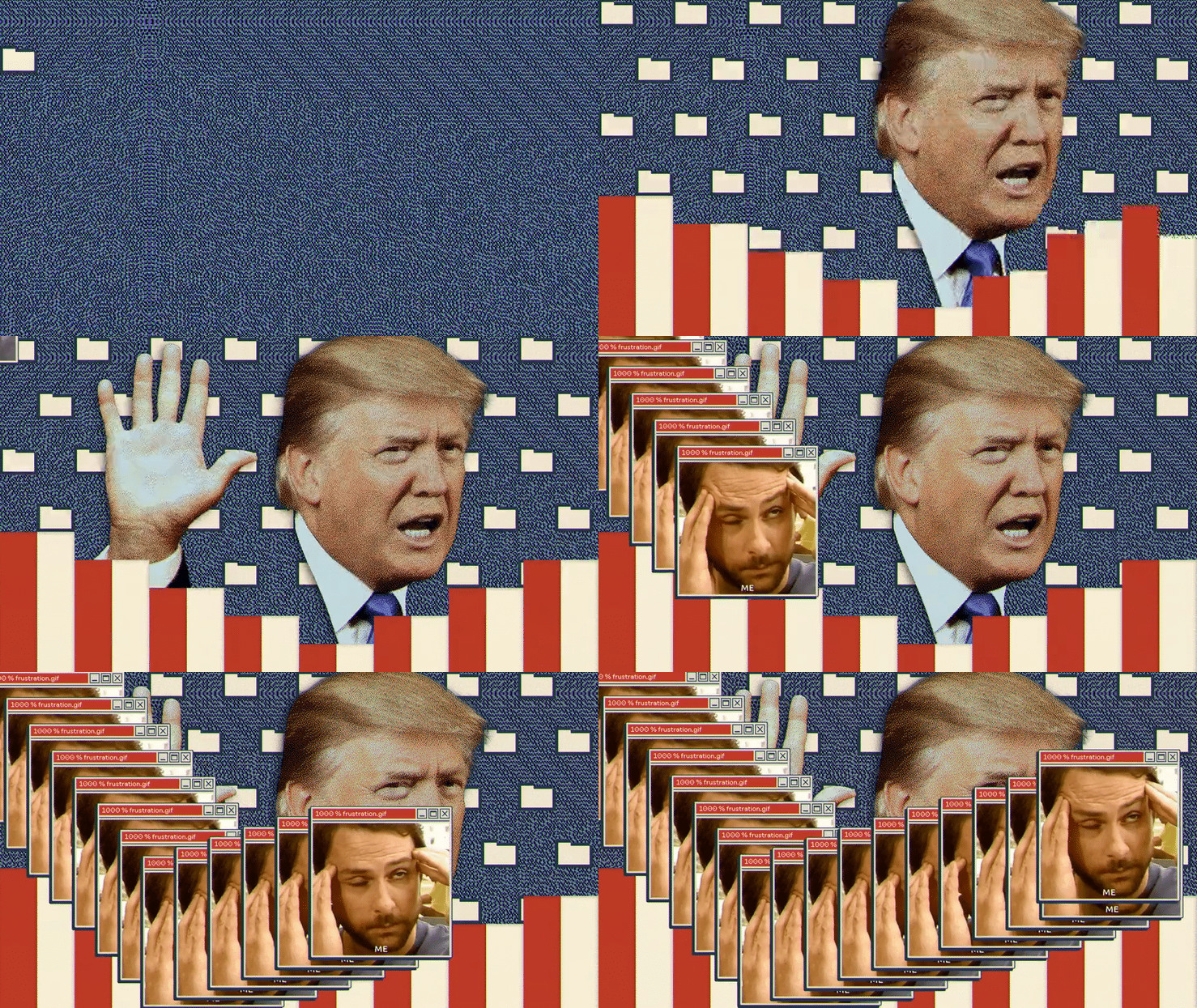
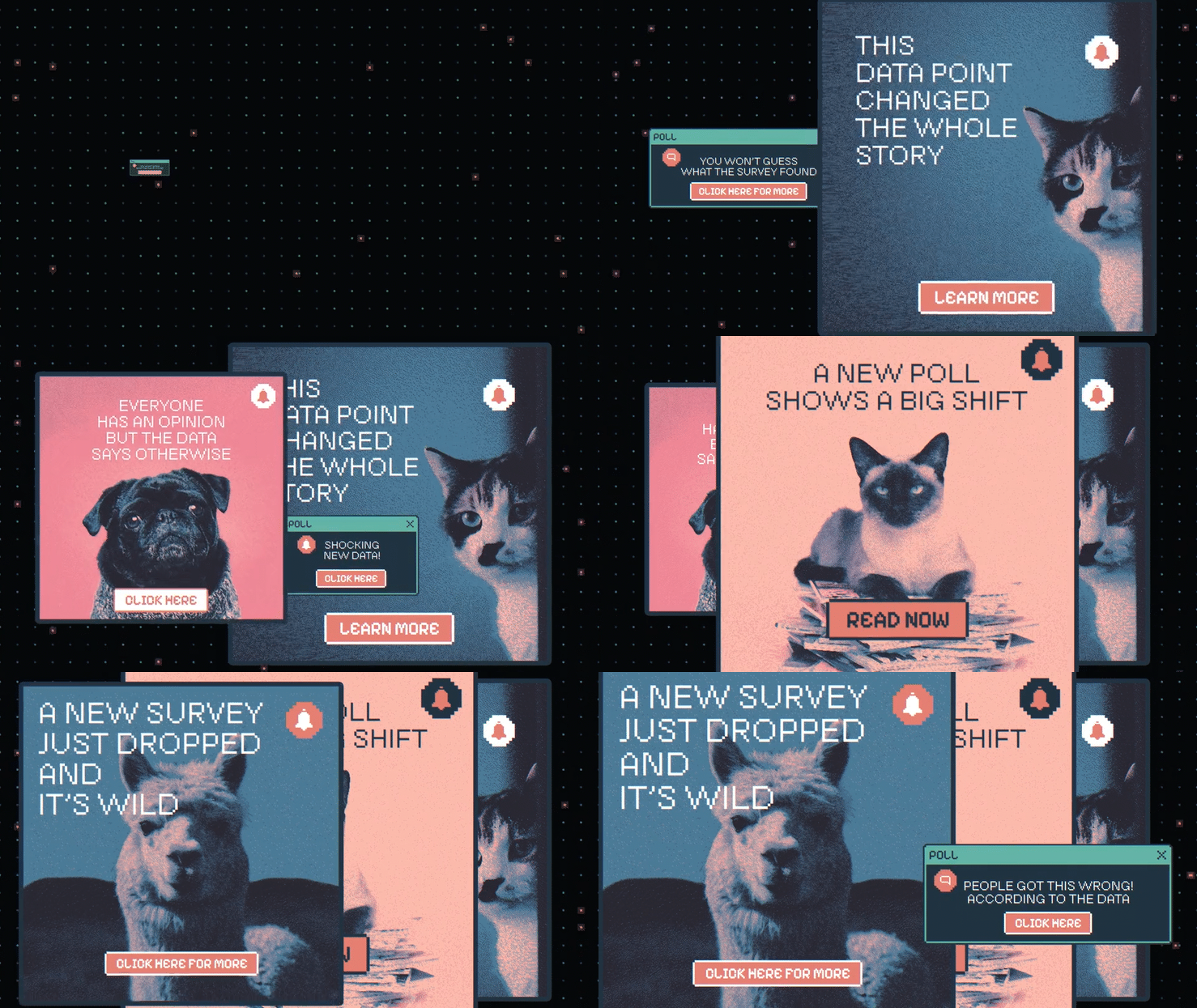
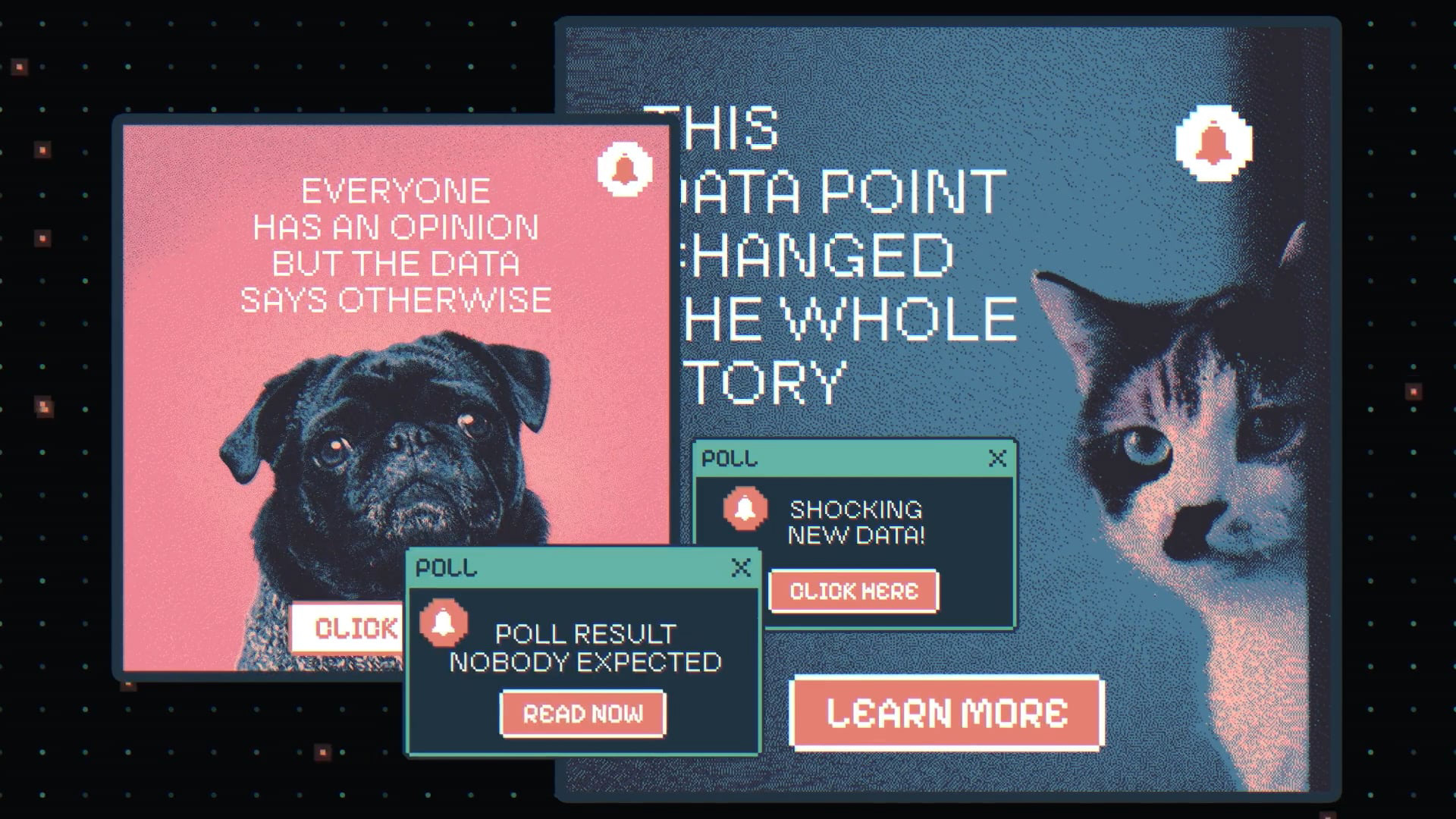
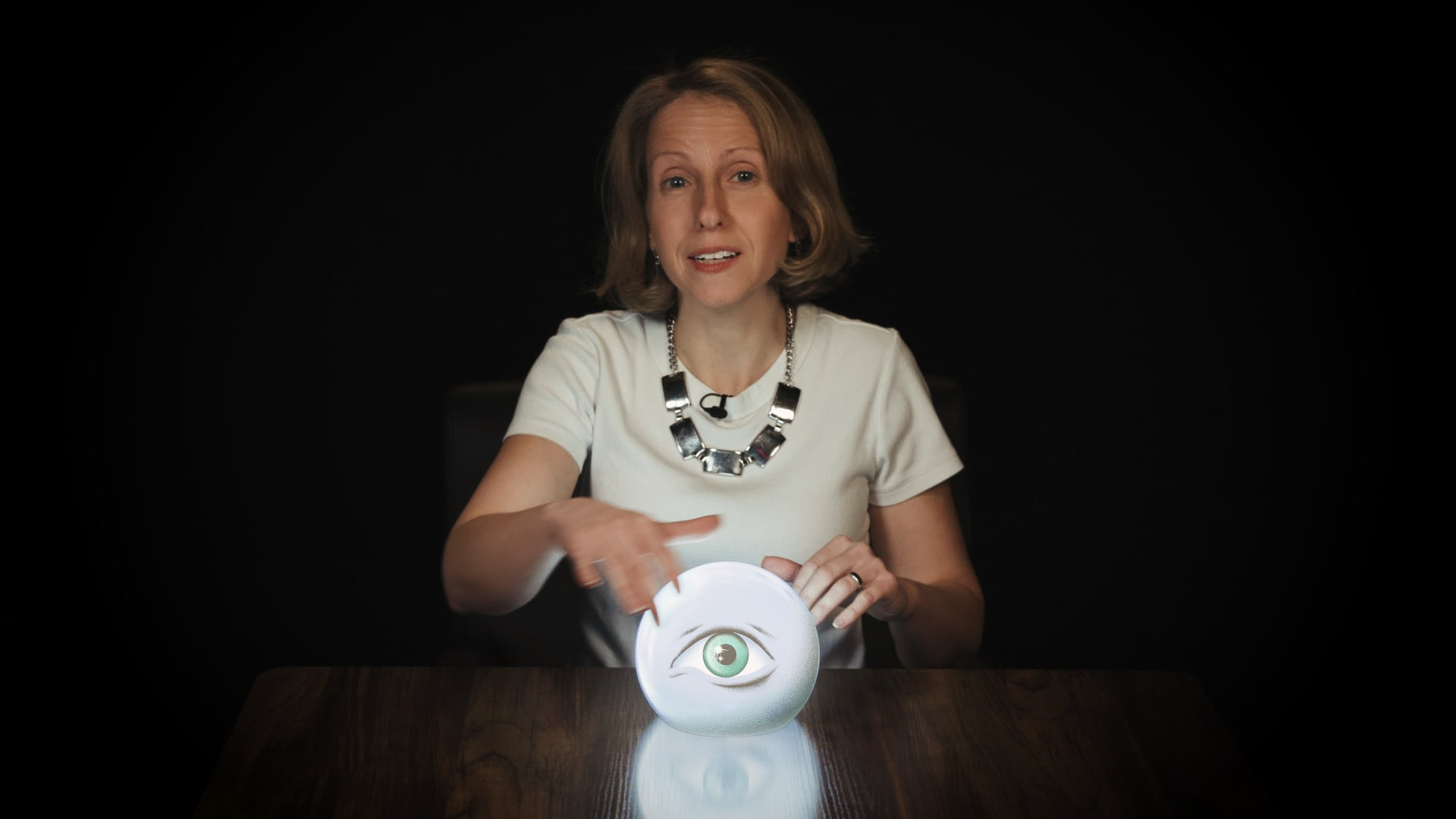
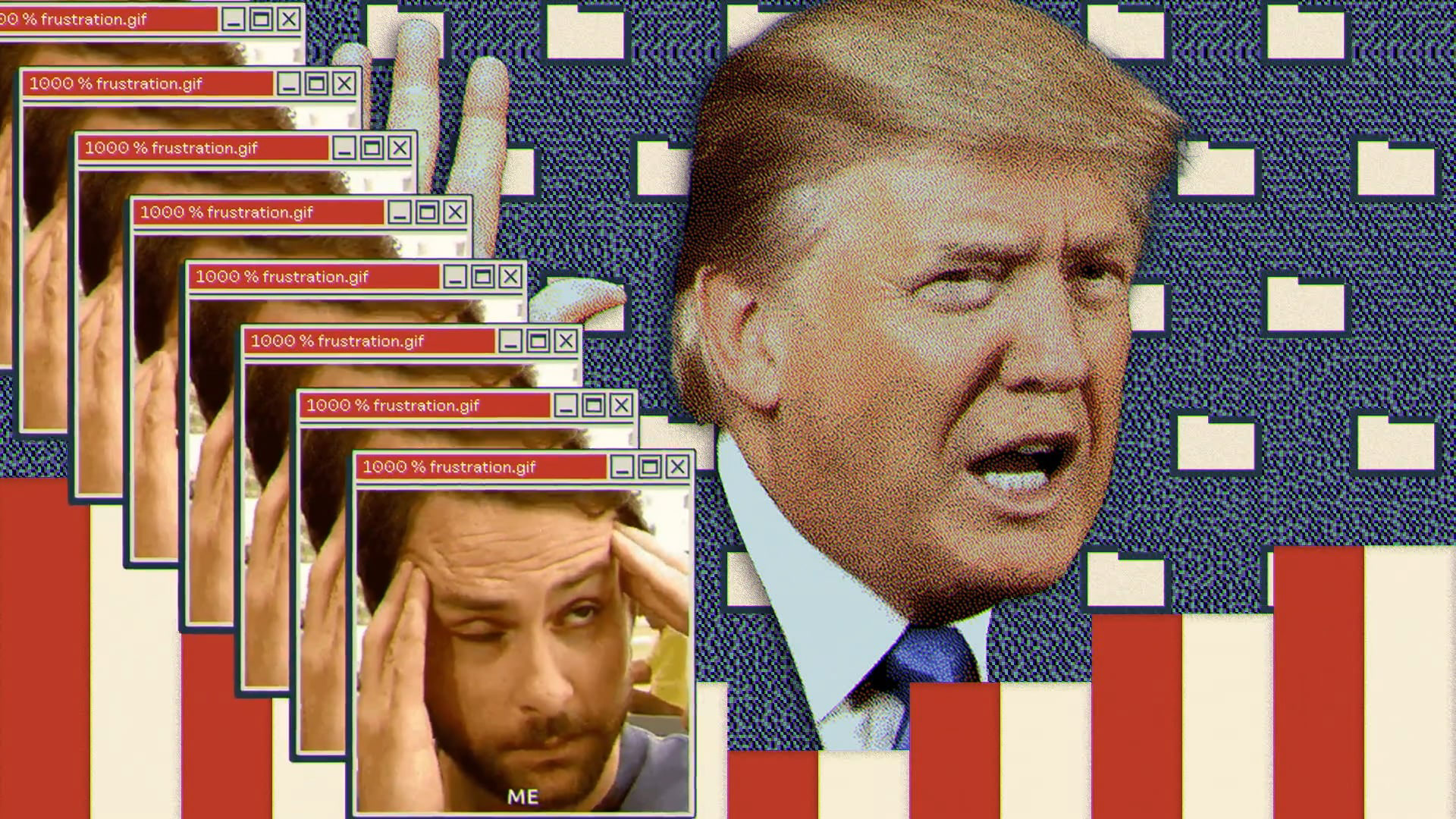
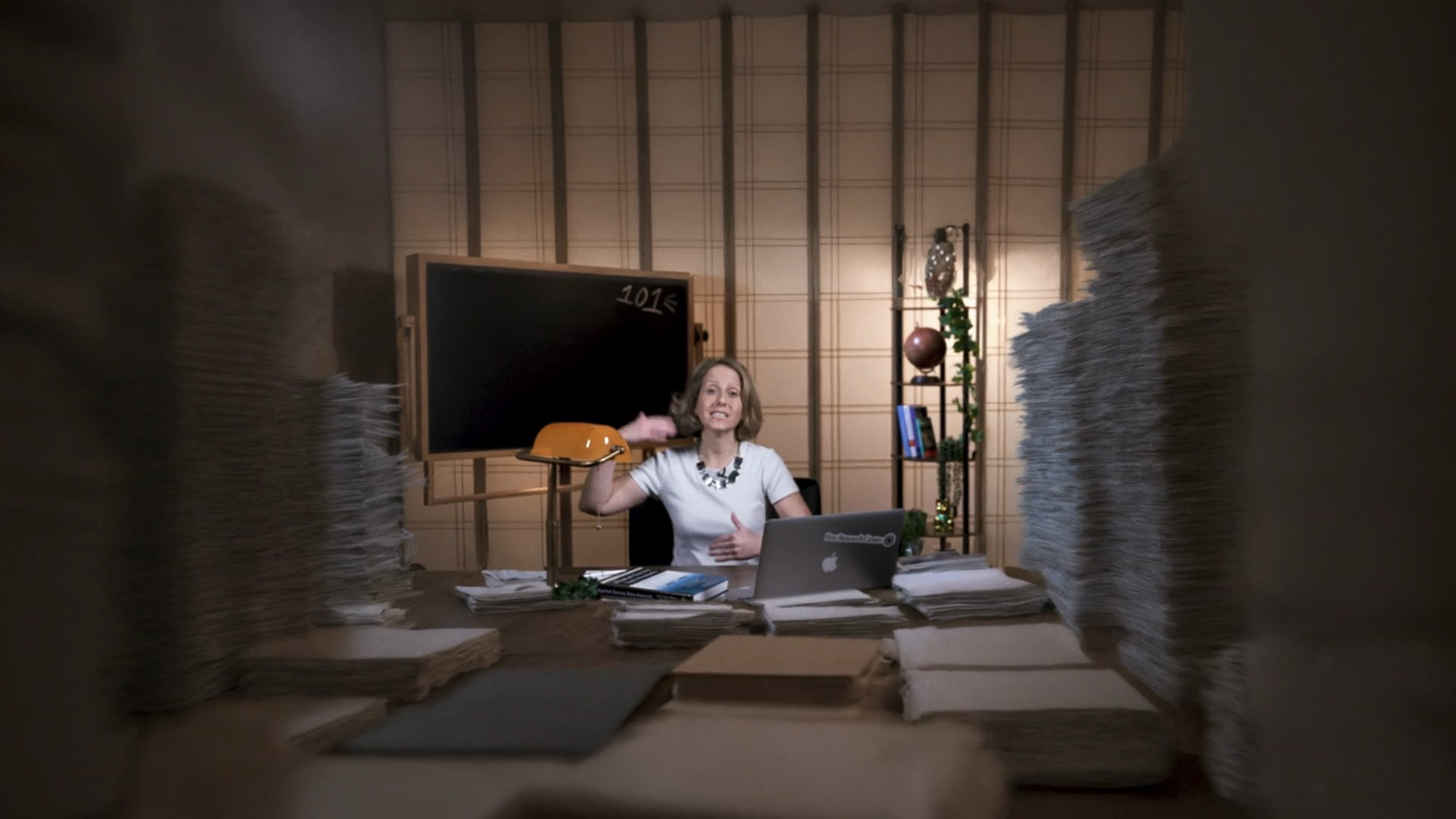
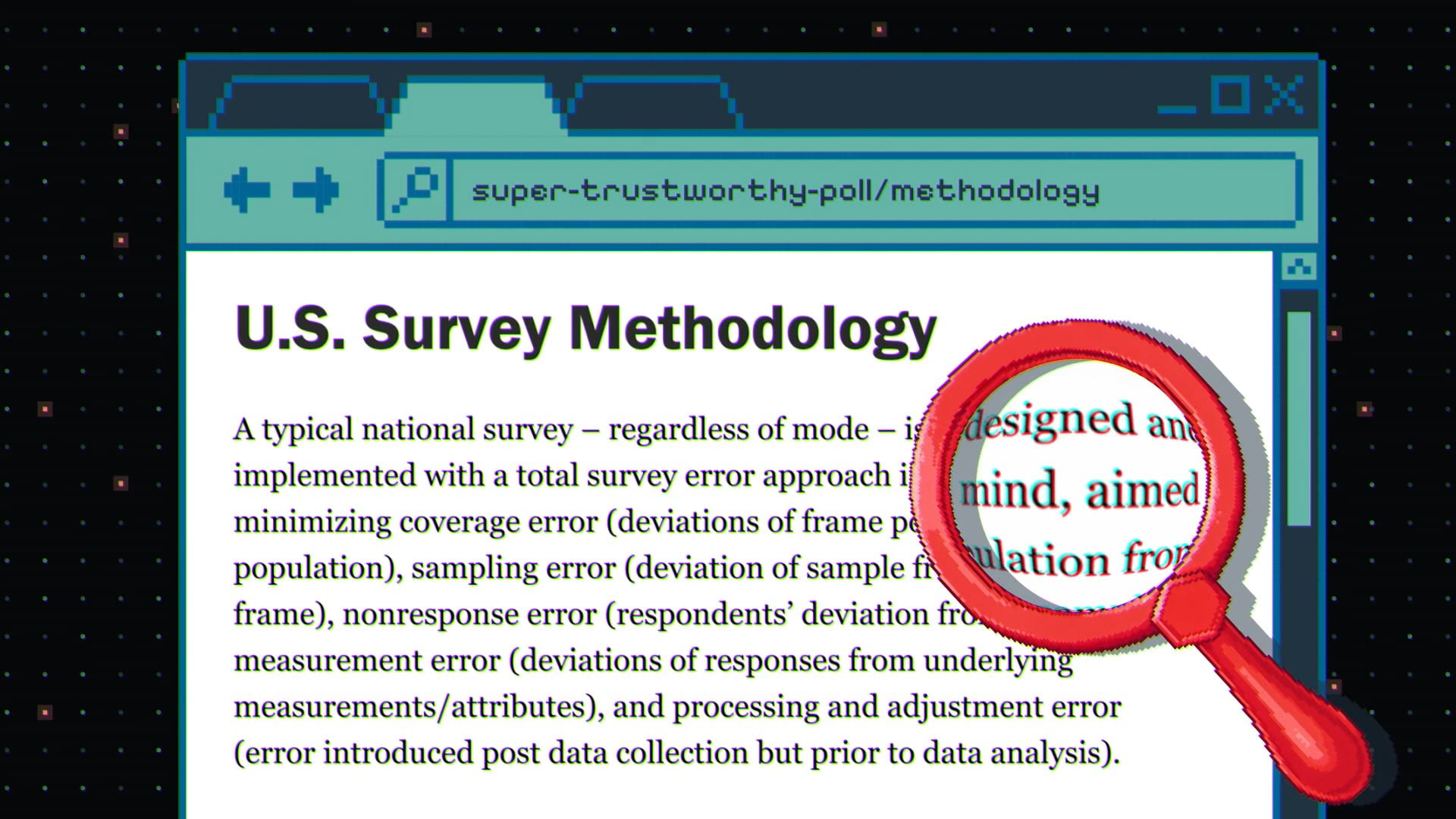
Polling can be abstract. Within a short episode, the visuals needed to give each explanation a clear structure and keep the audience engaged. Our approach brought together the presenter, illustrated scenes, animated graphics, stock footage, articles, and memes, using changes in scale, pacing, and visual texture to move between ideas.
Building a visual world
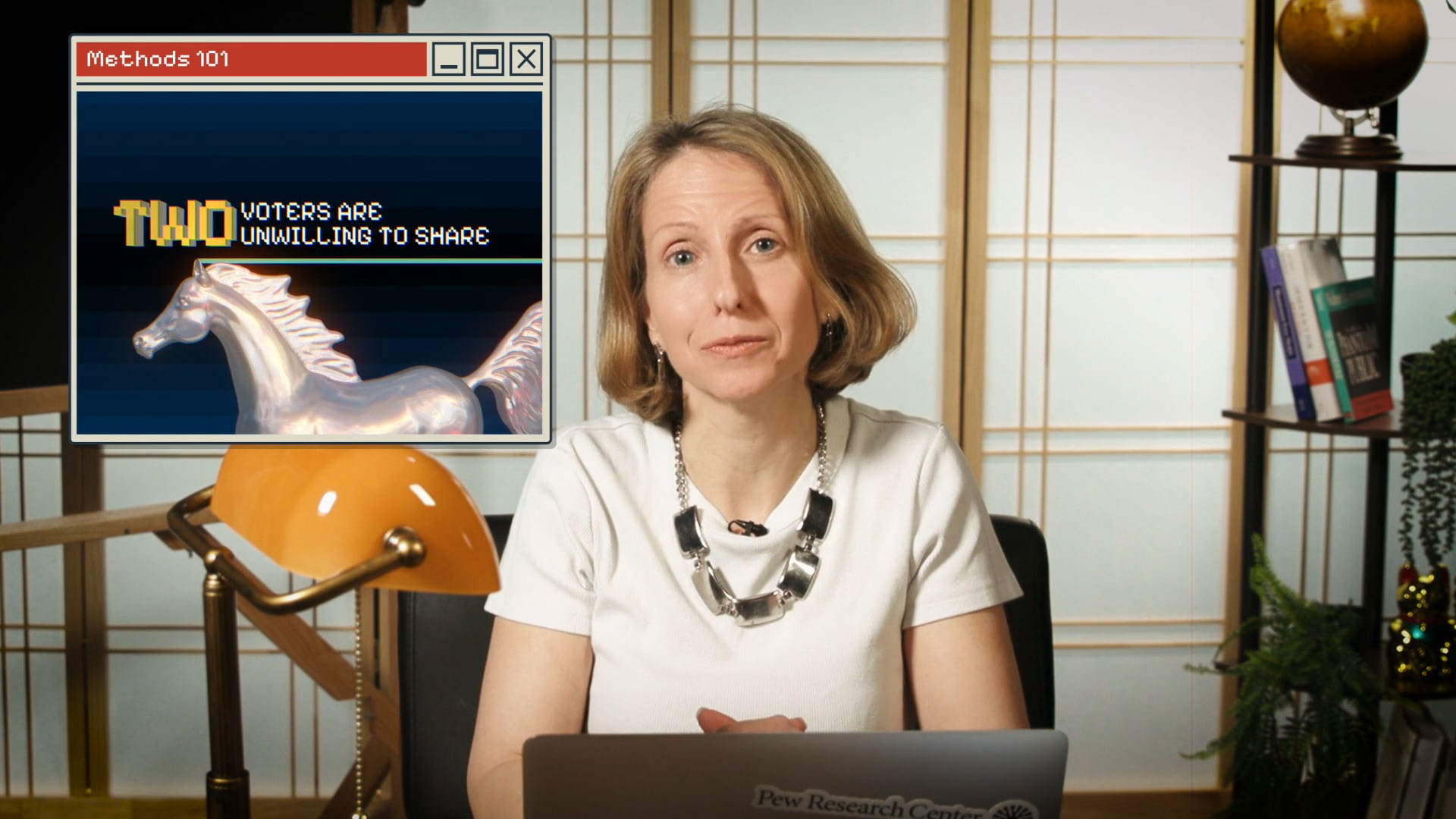
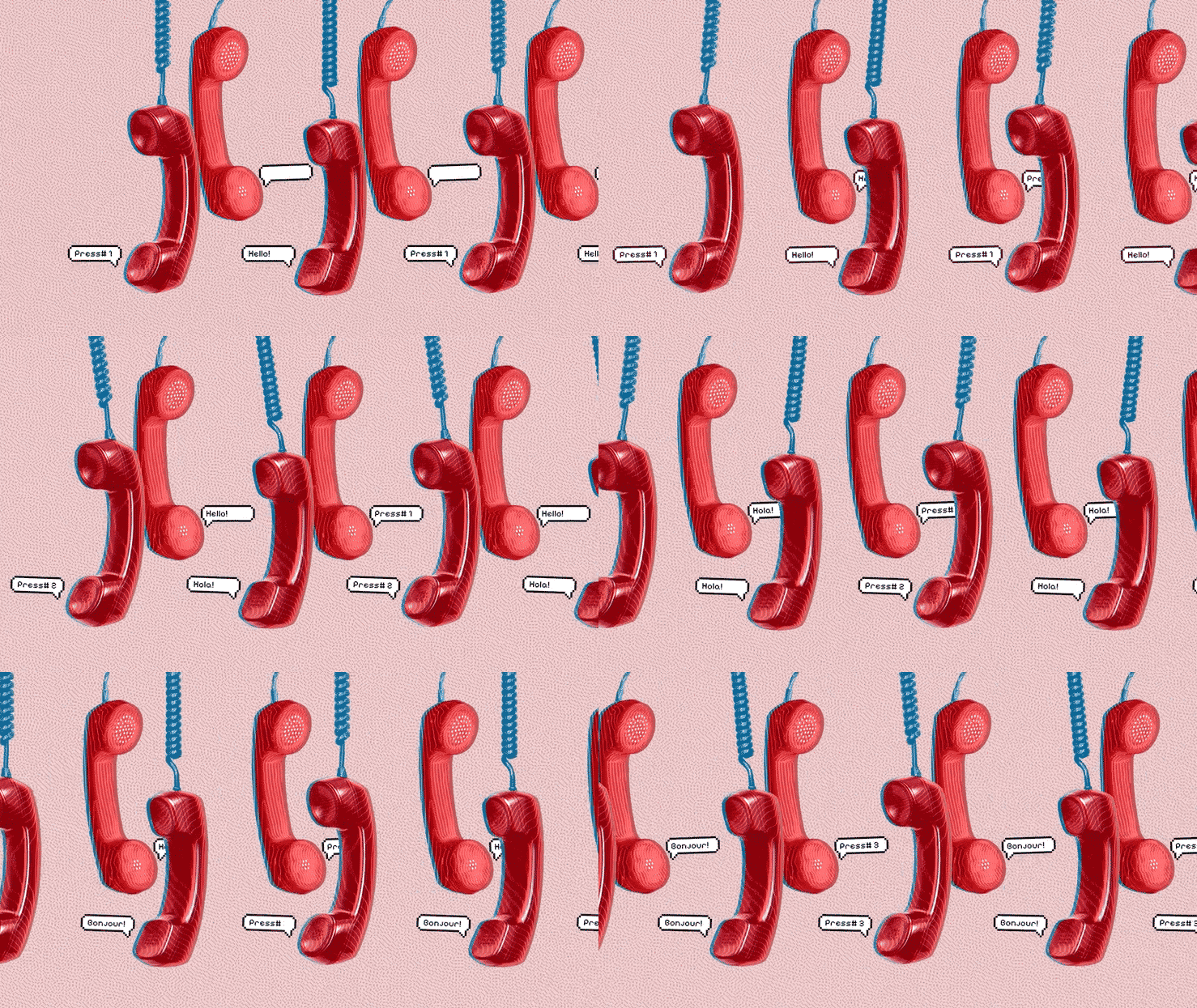
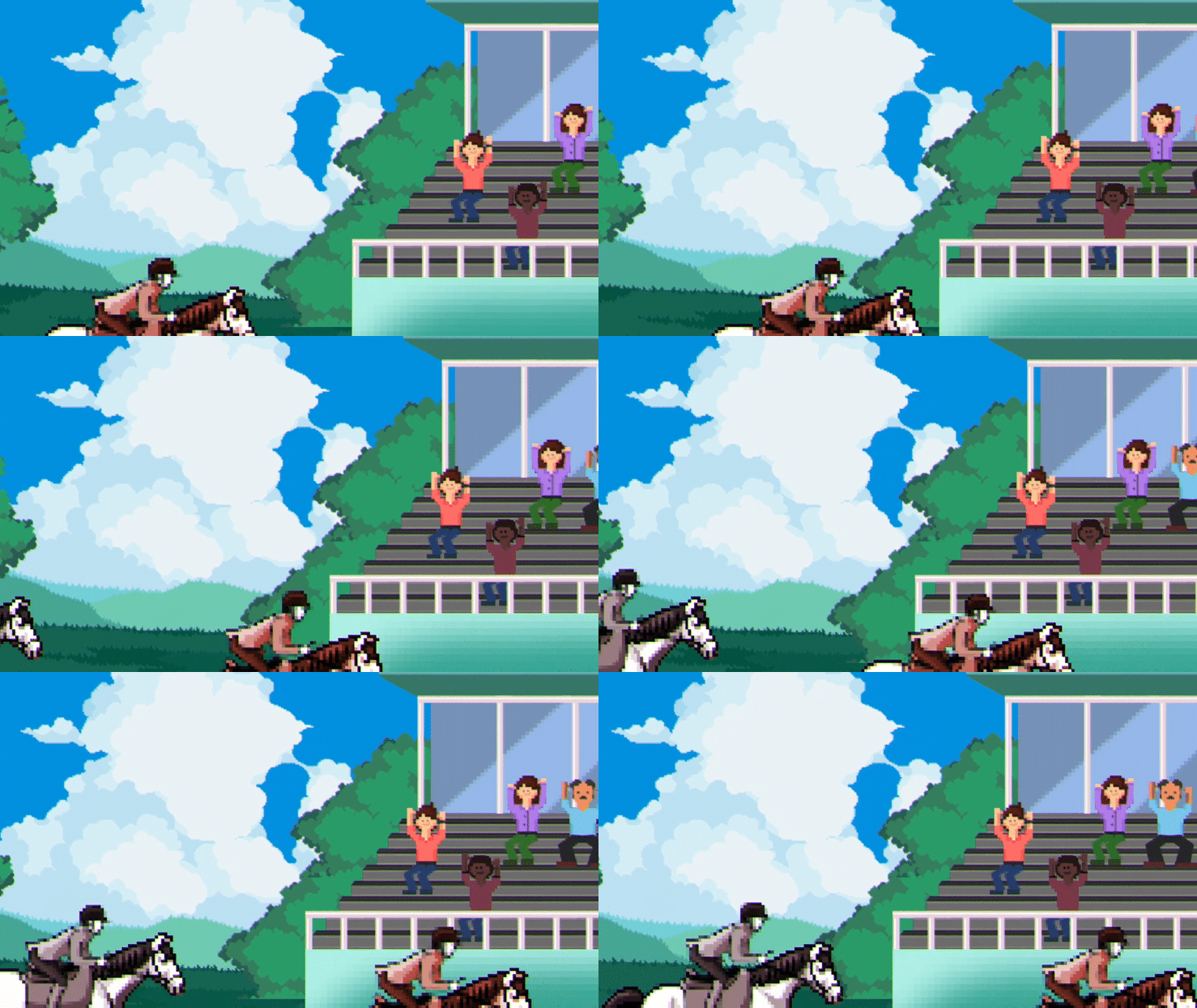
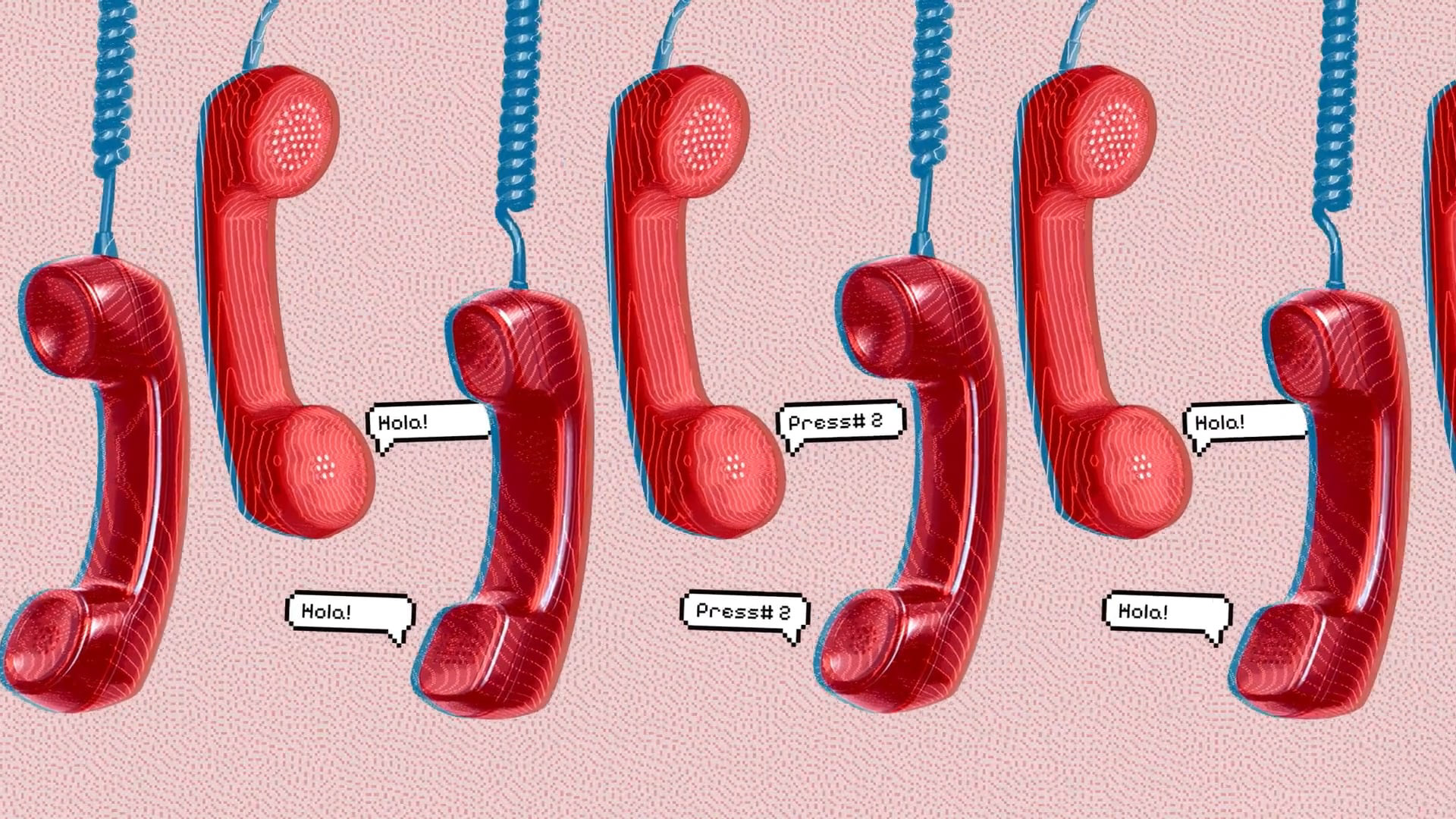
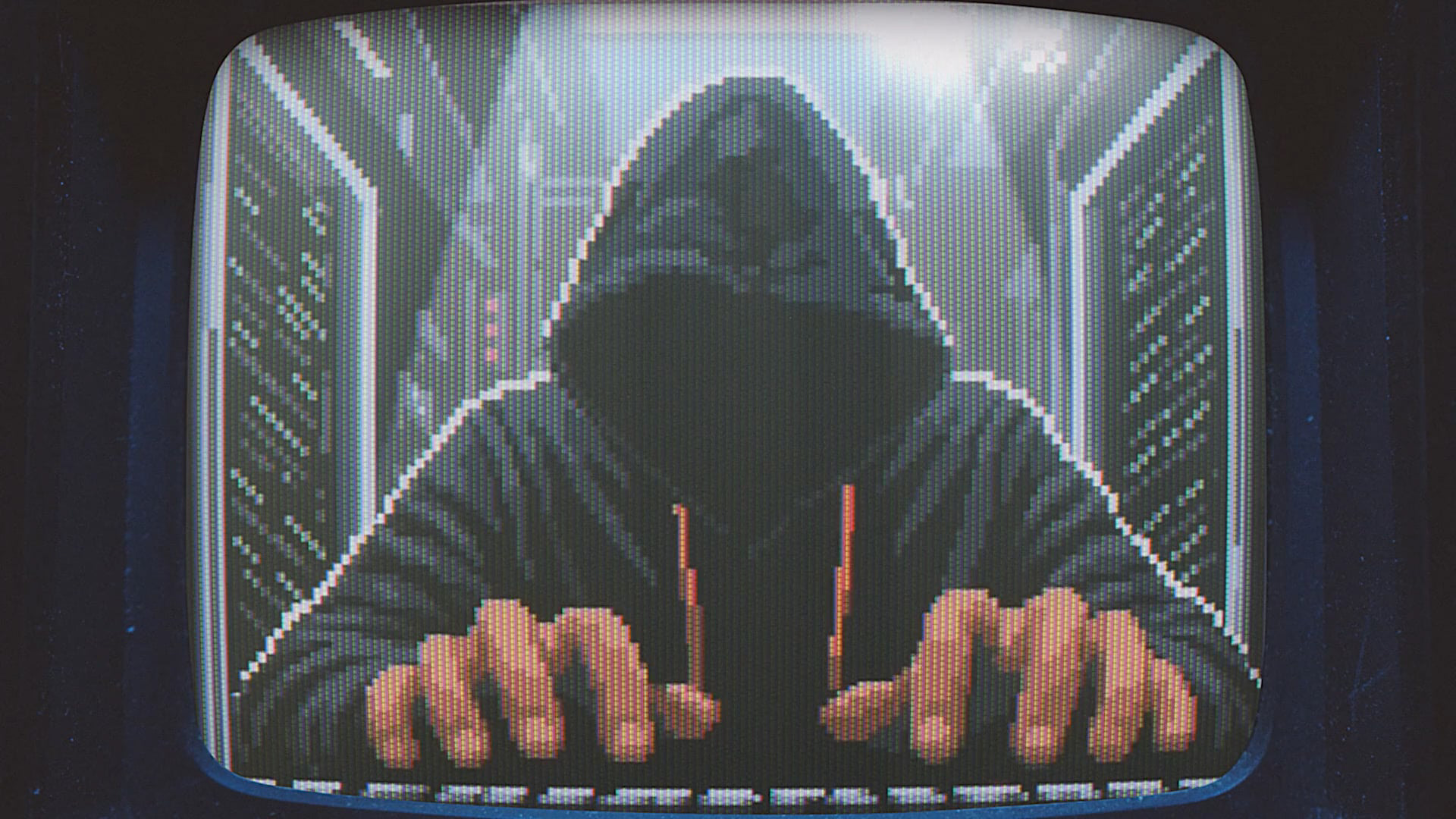
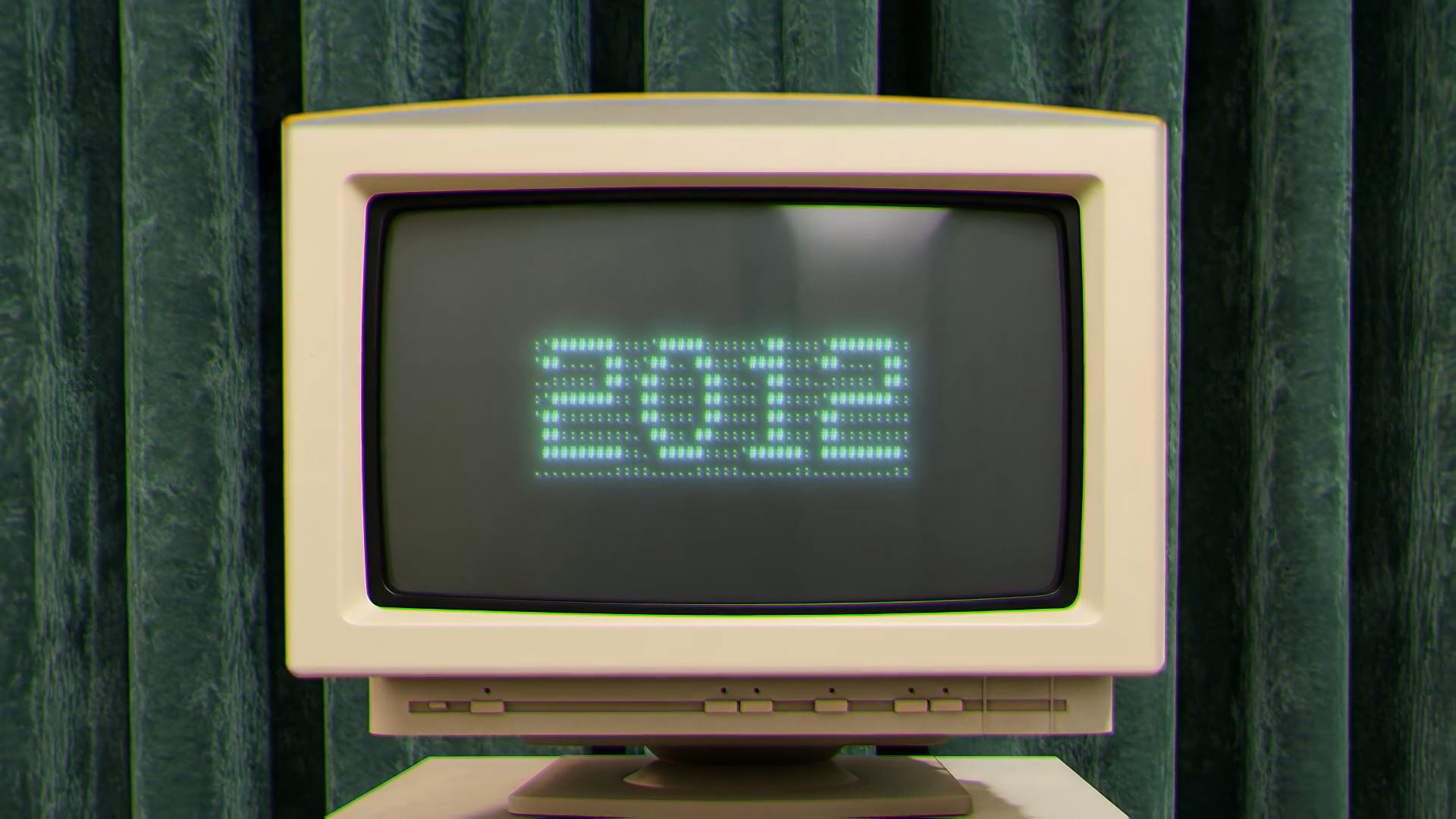
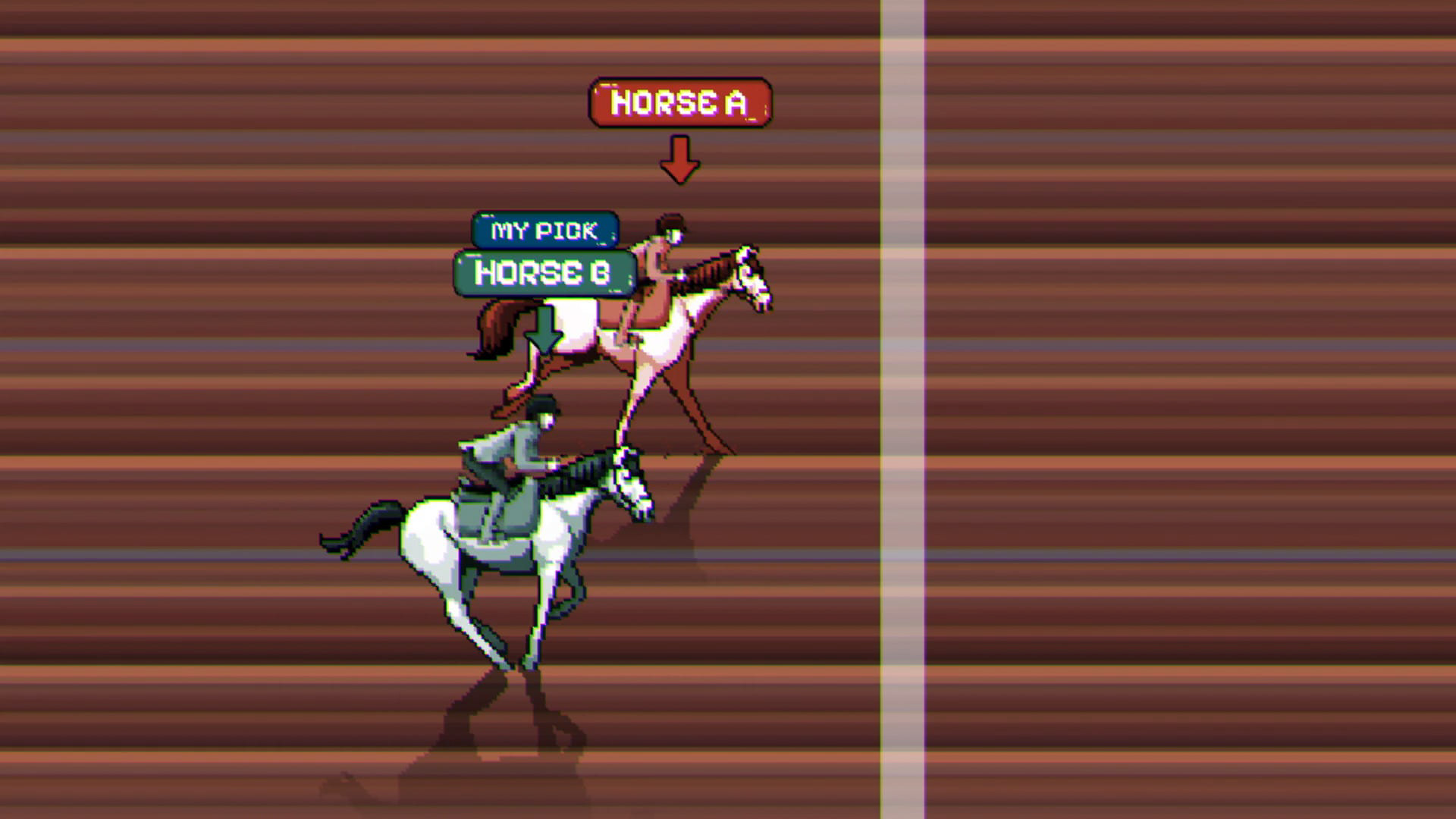
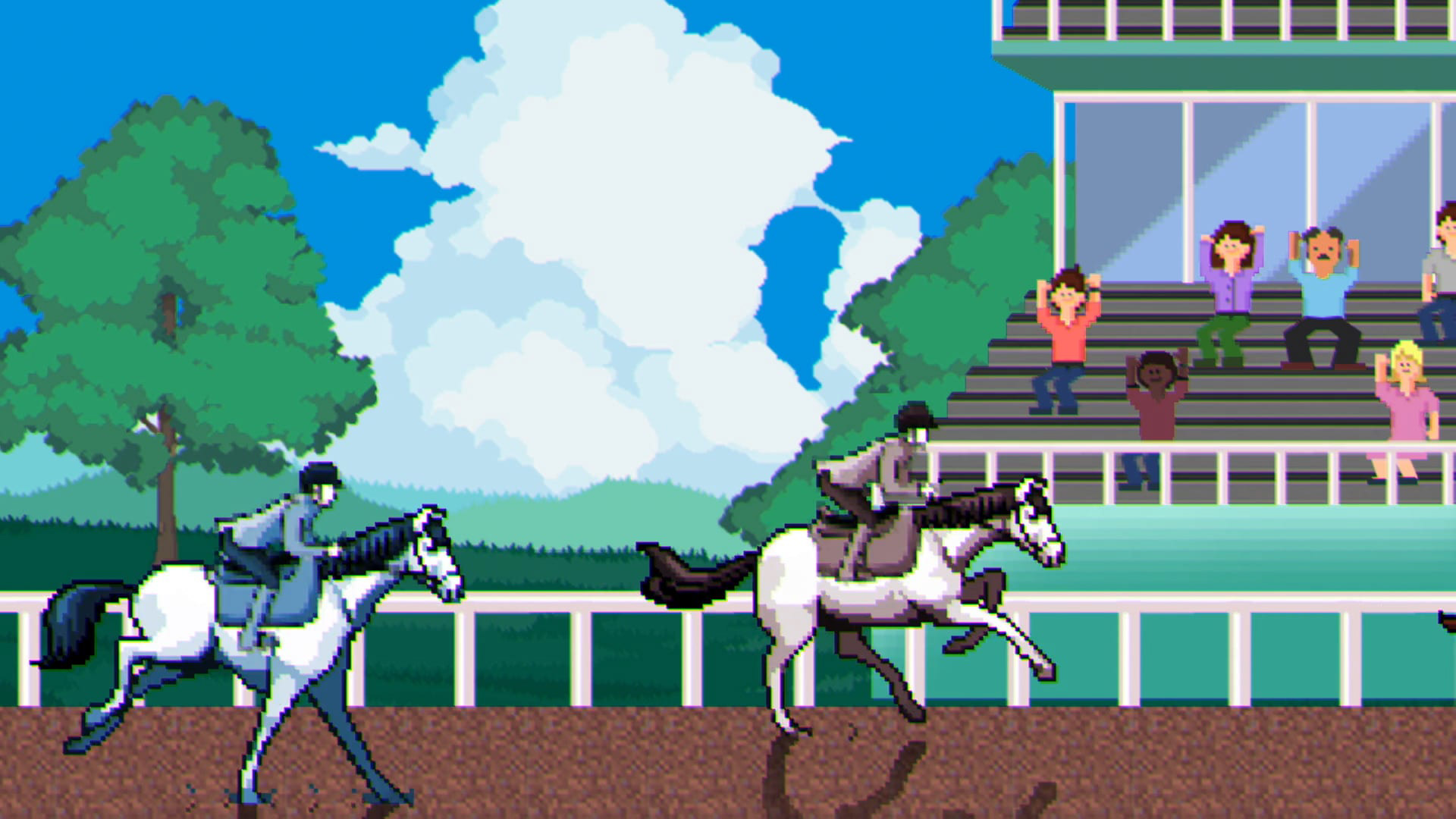
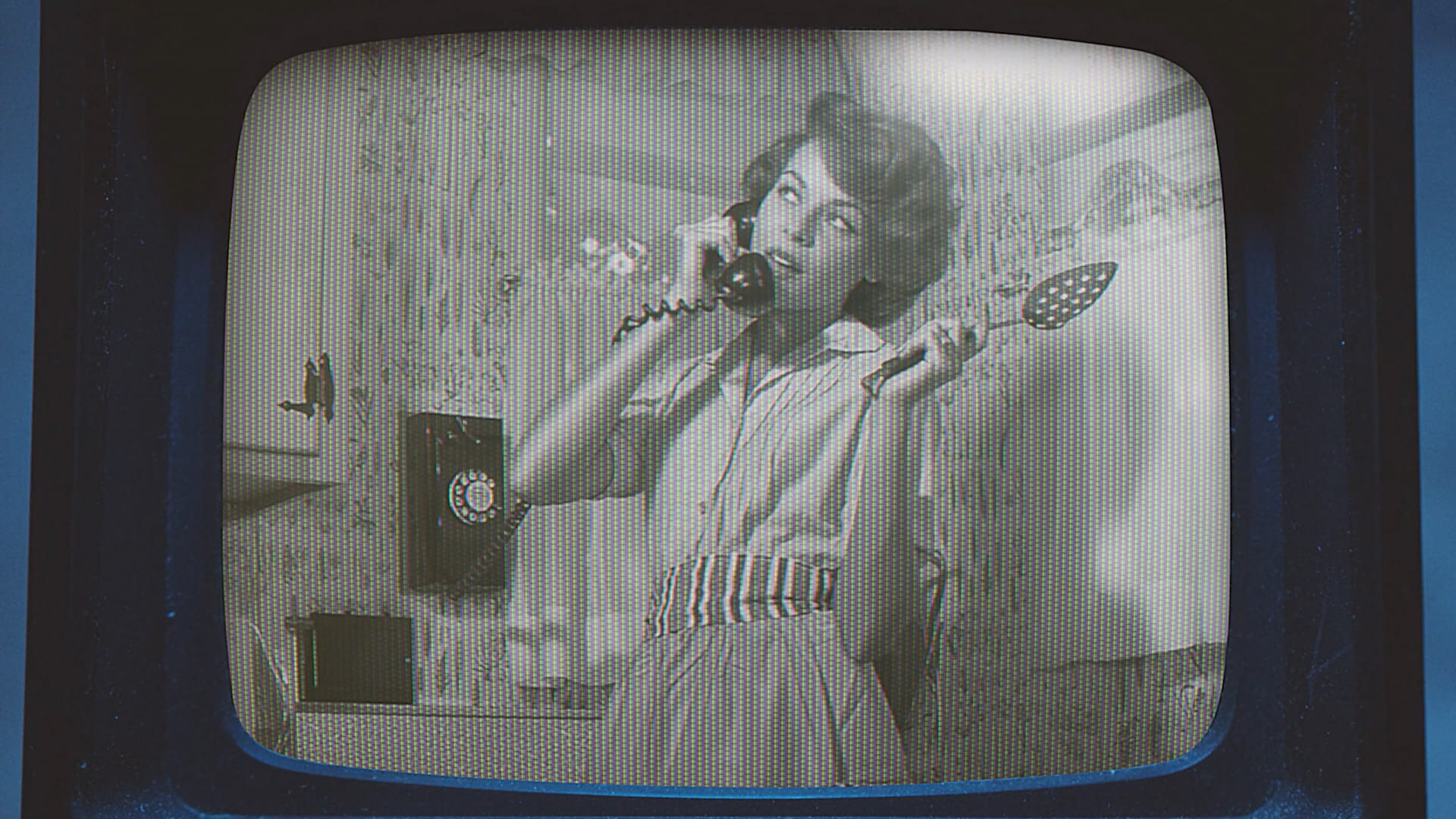
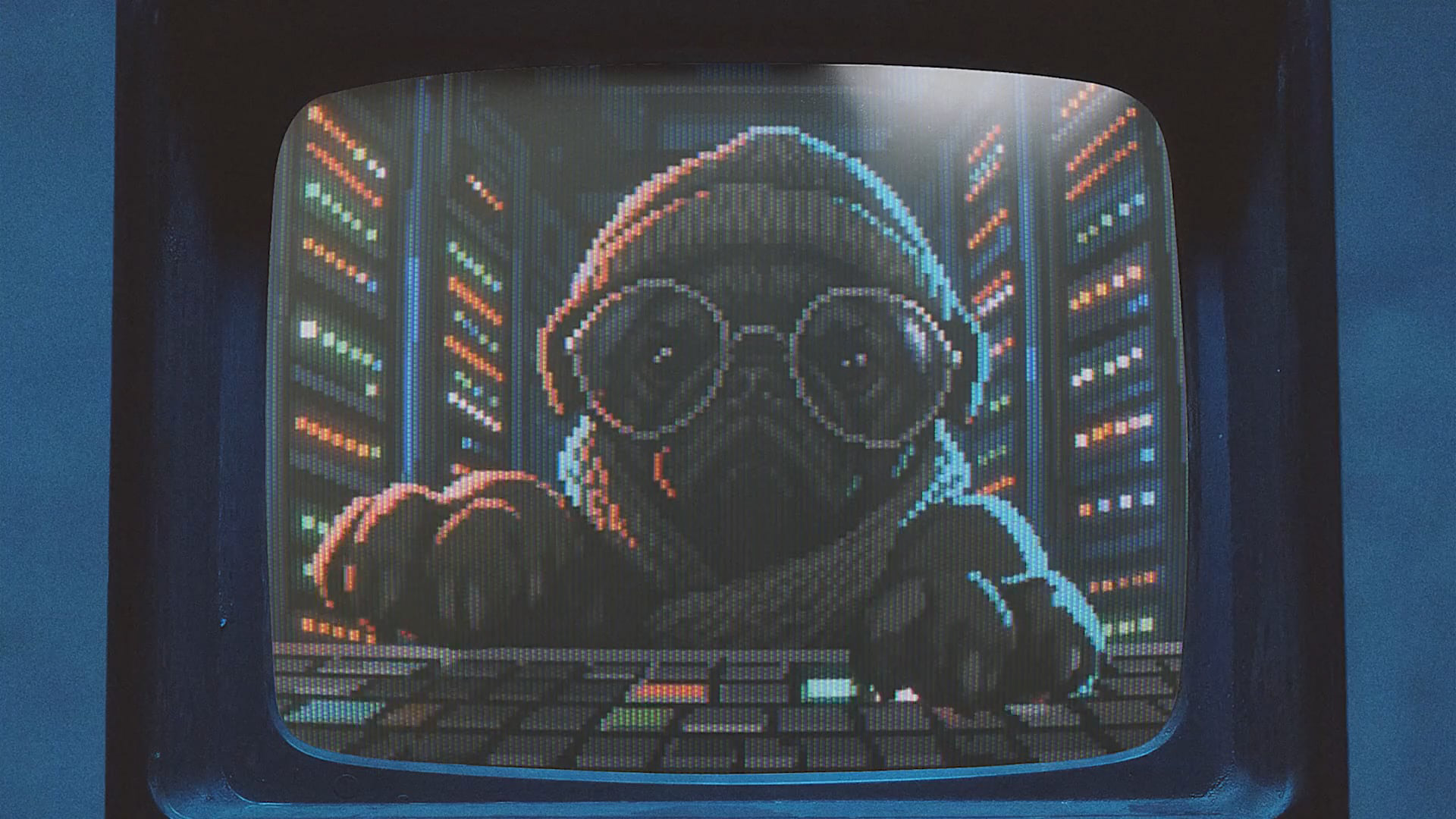
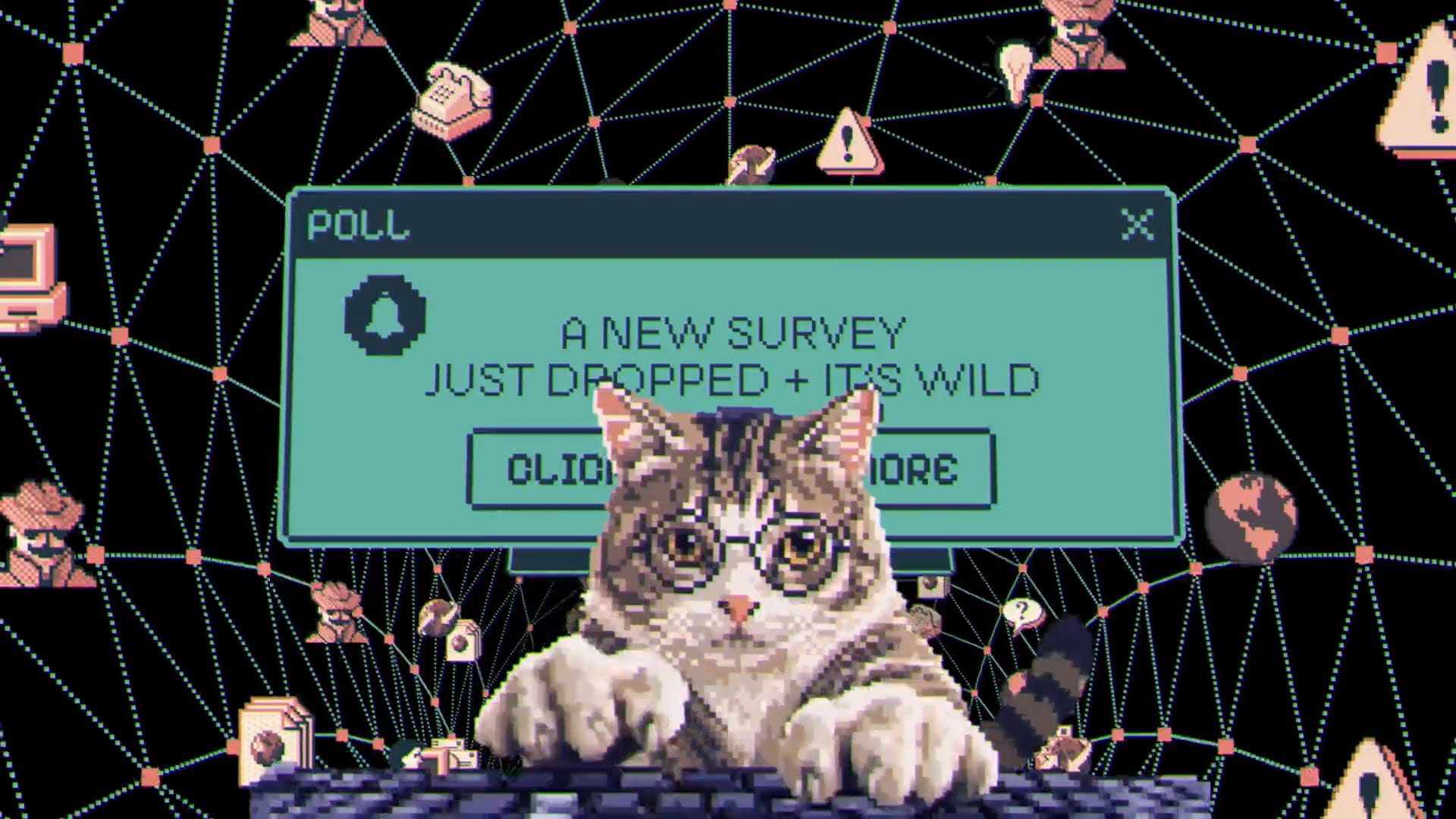
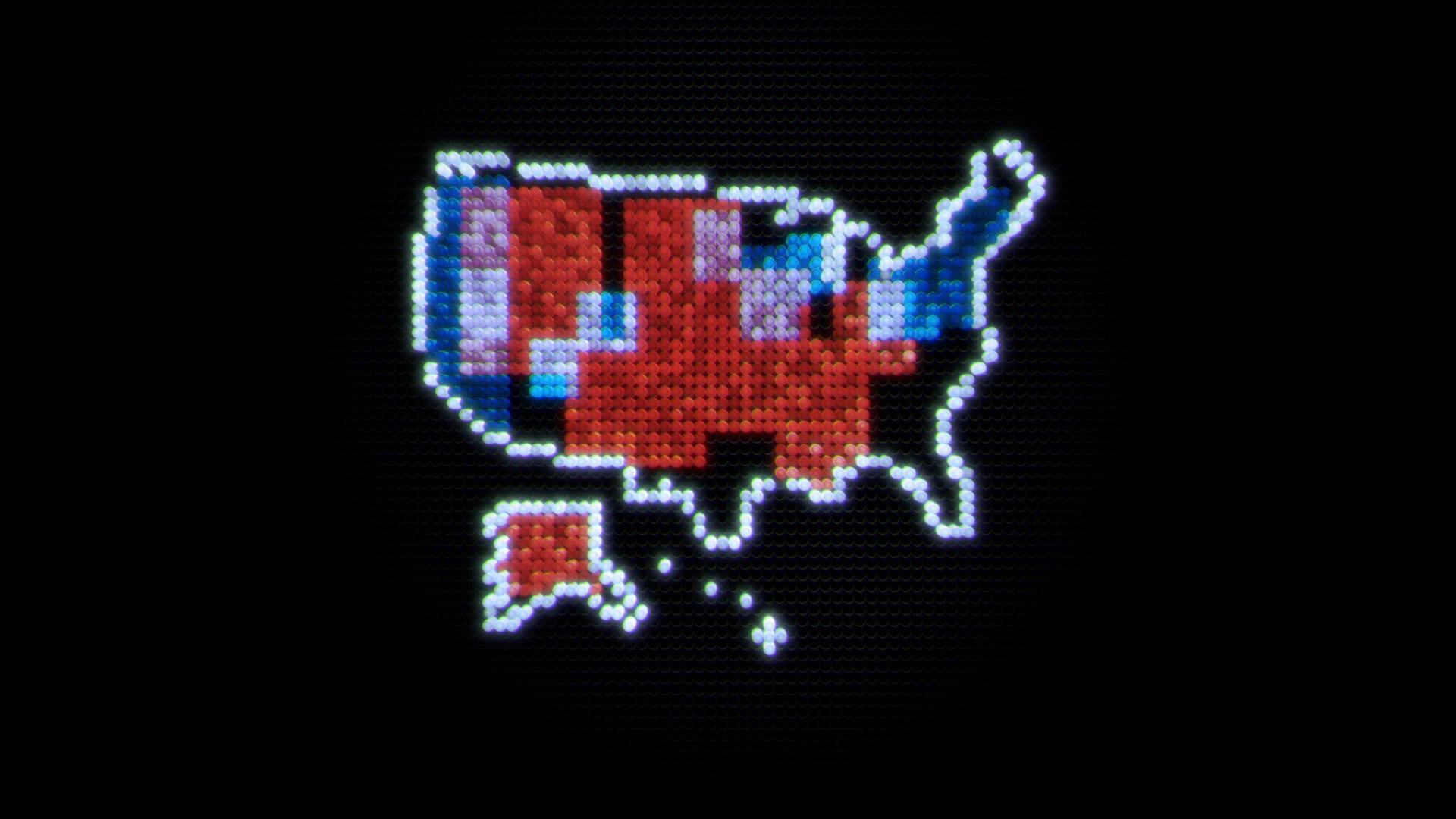
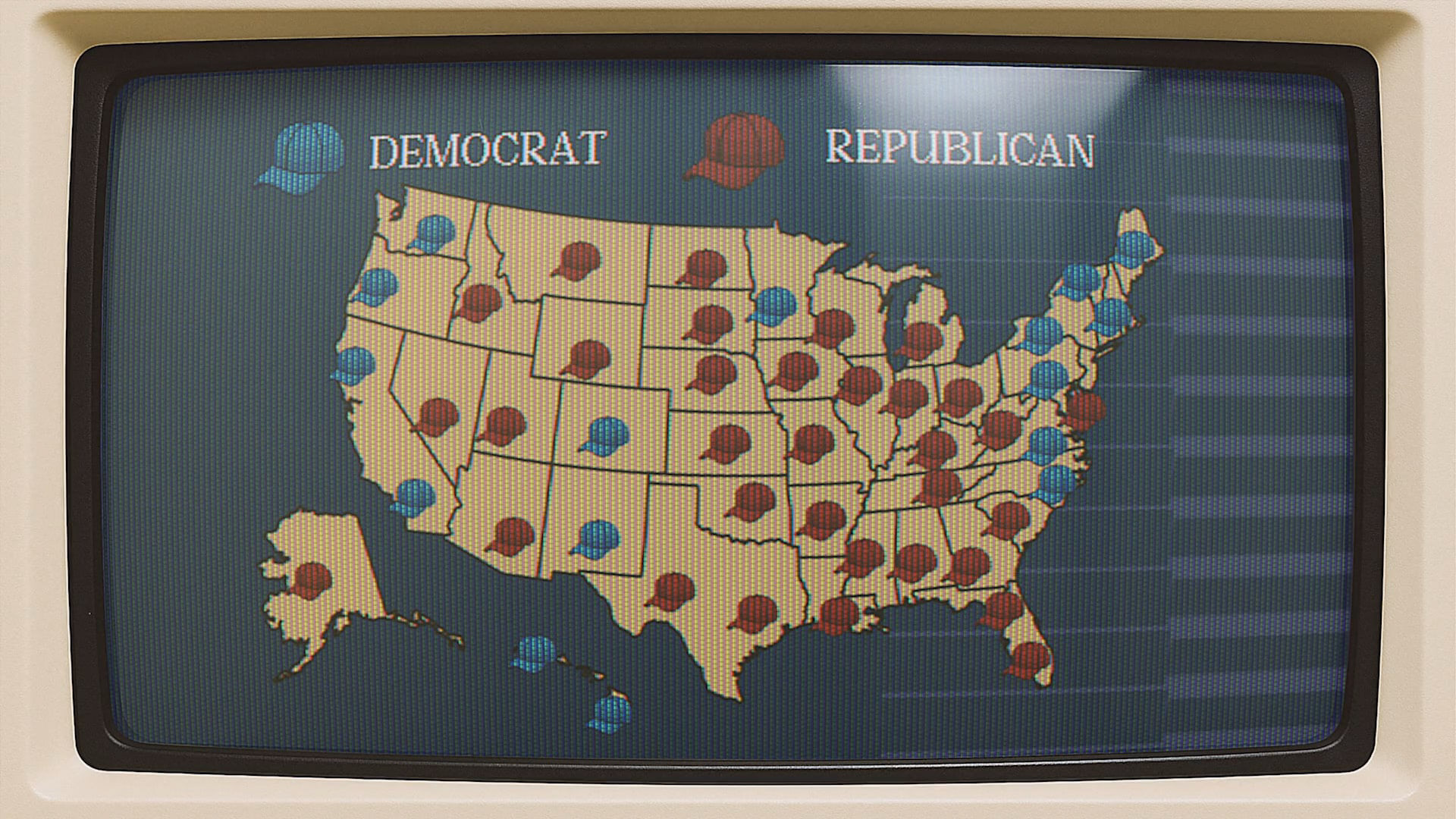
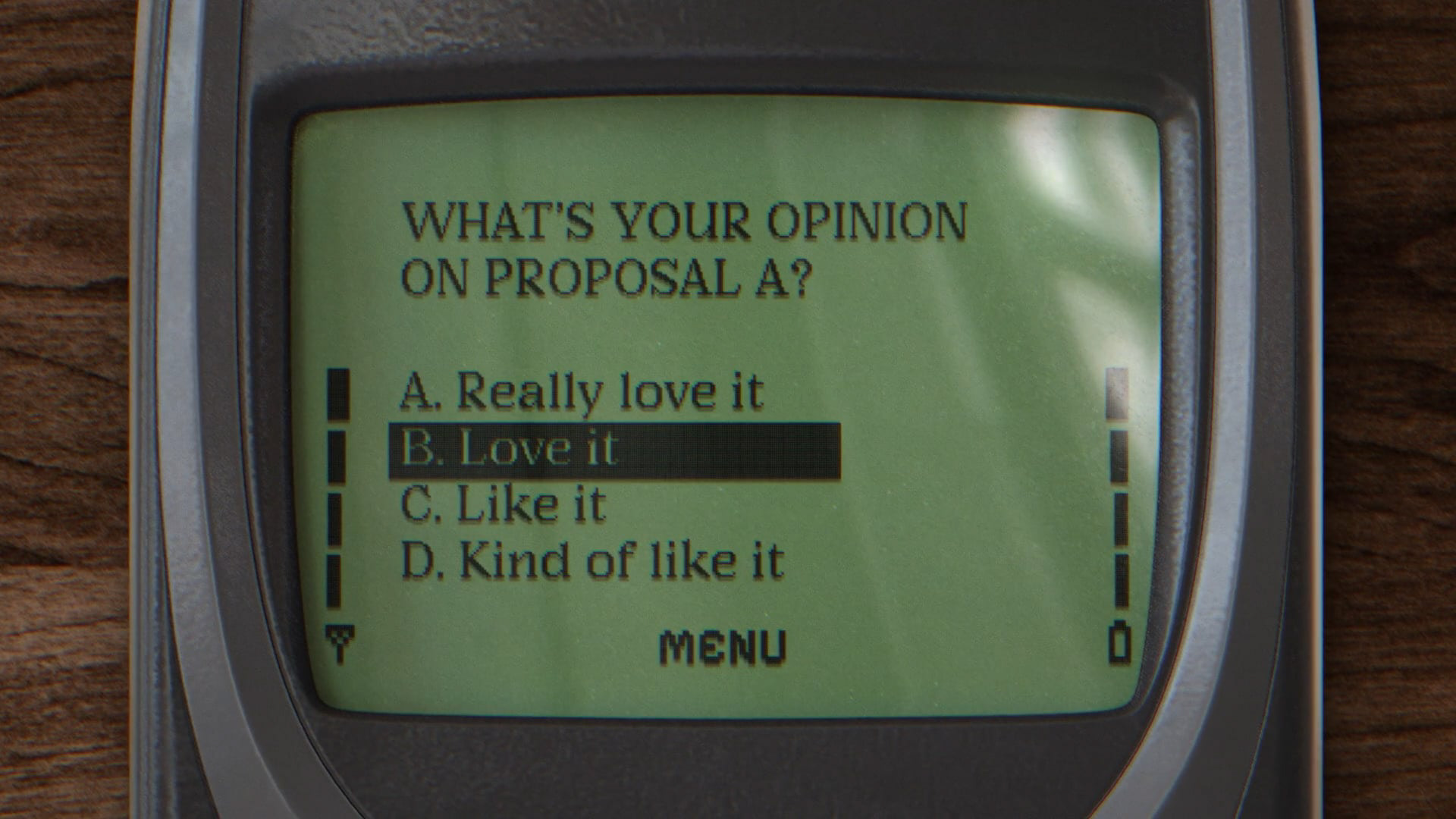
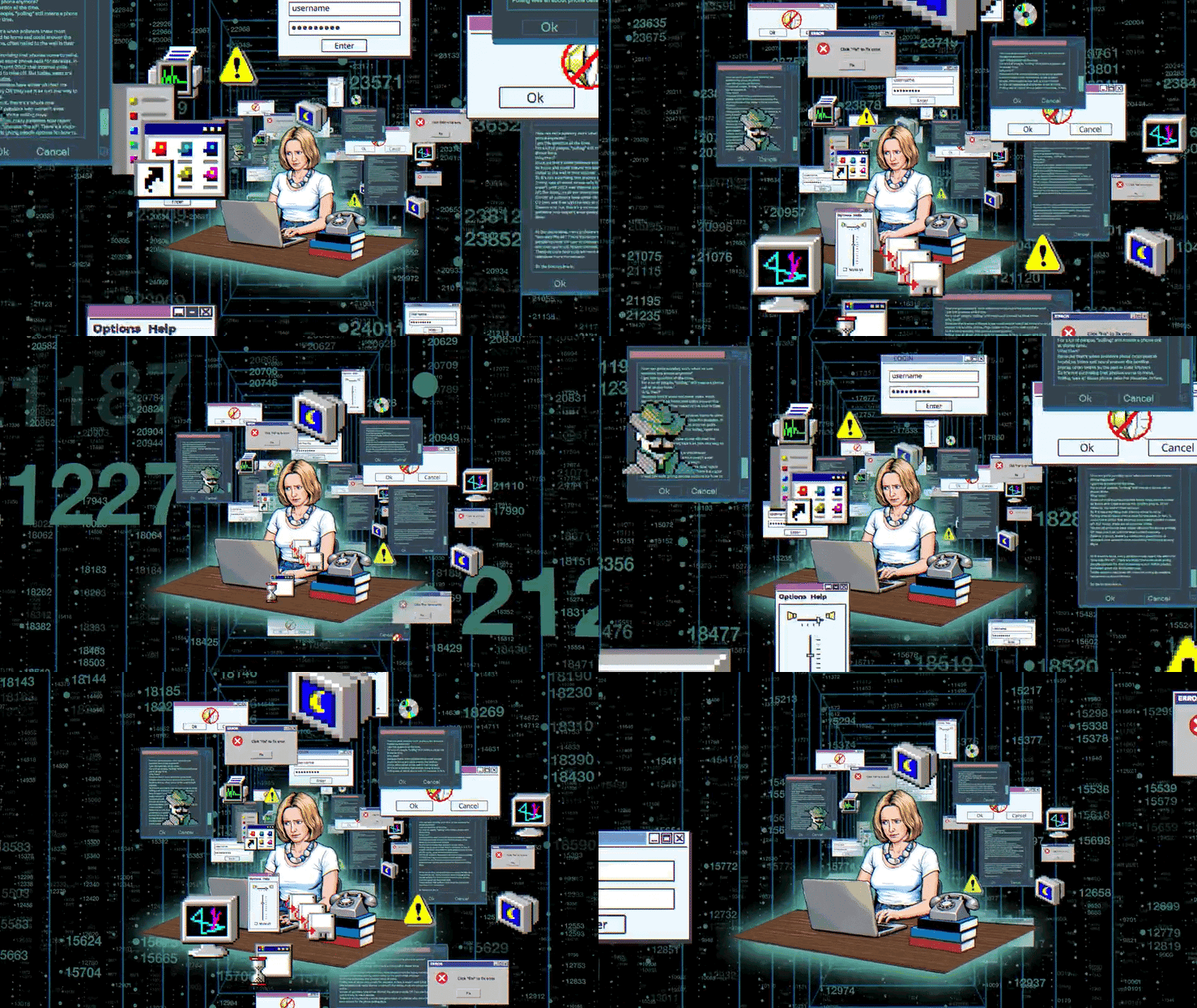
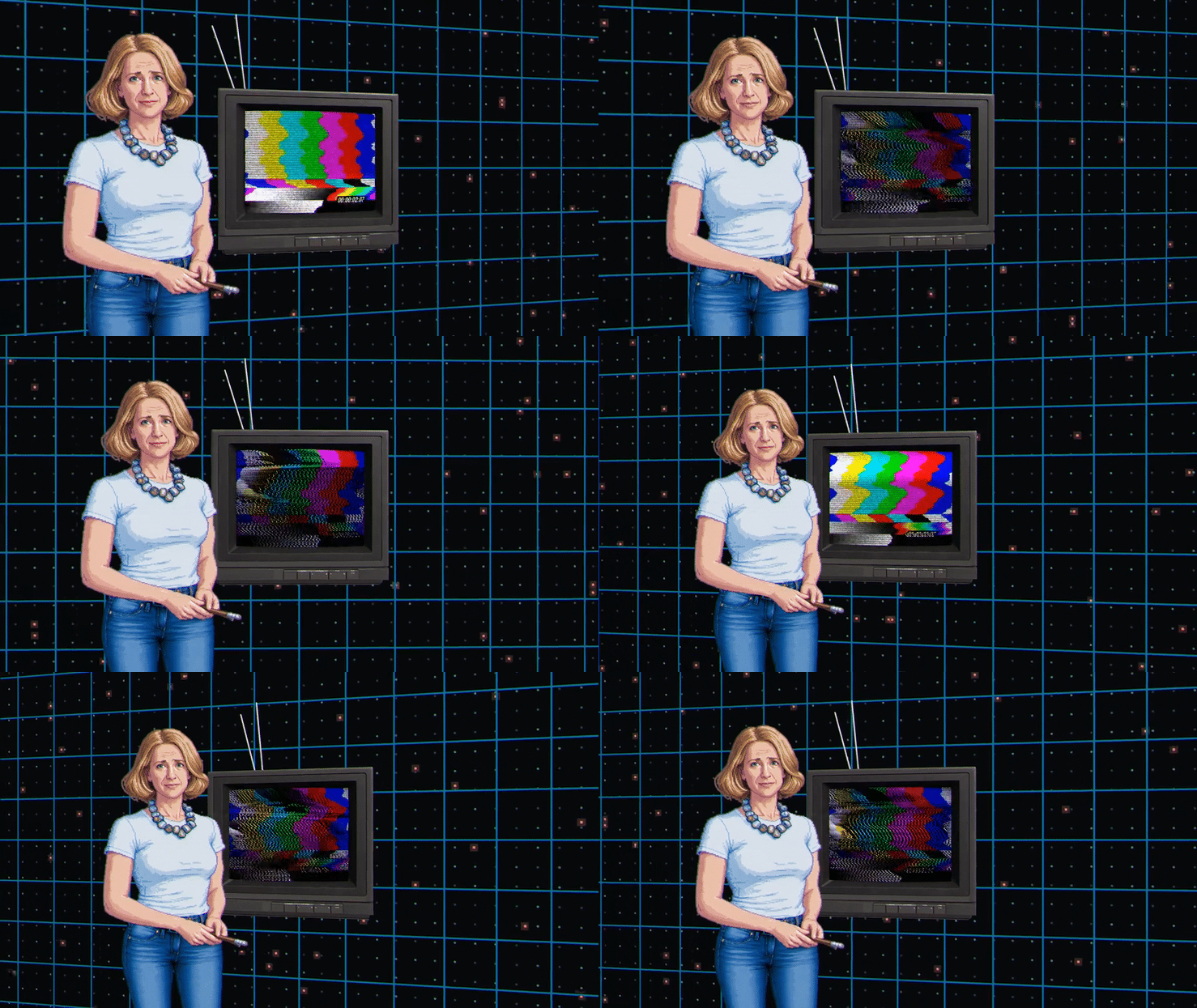
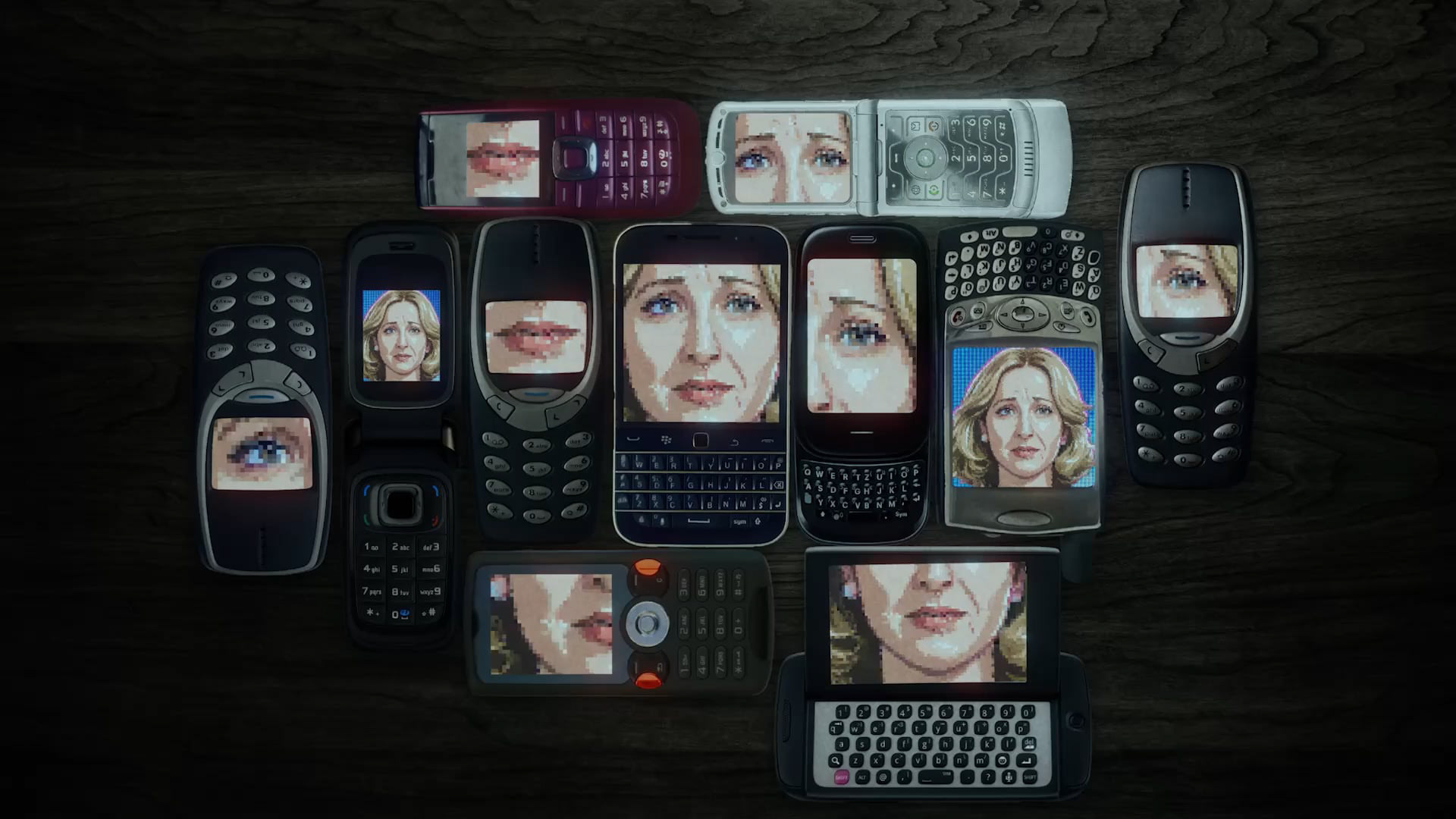
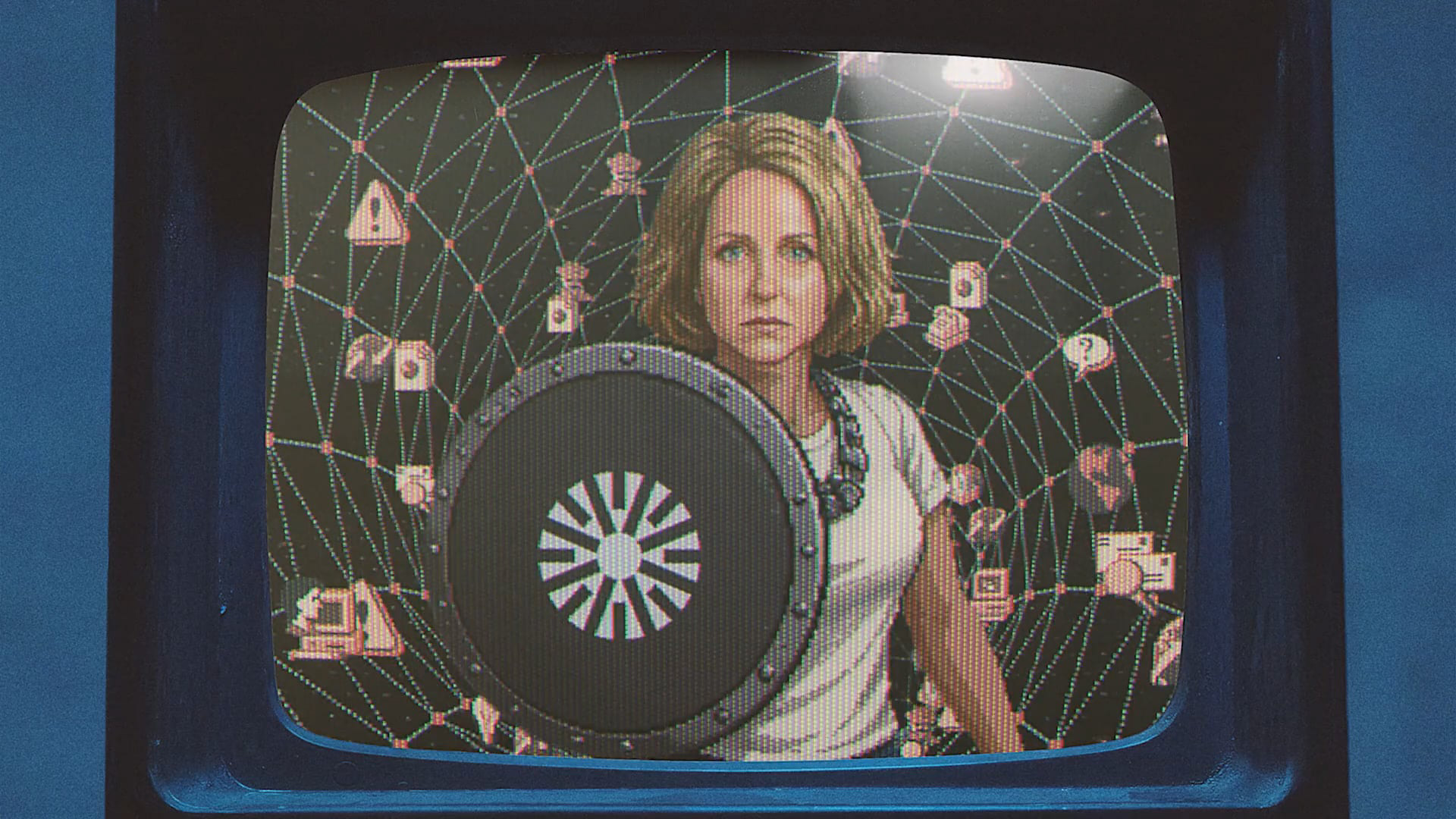
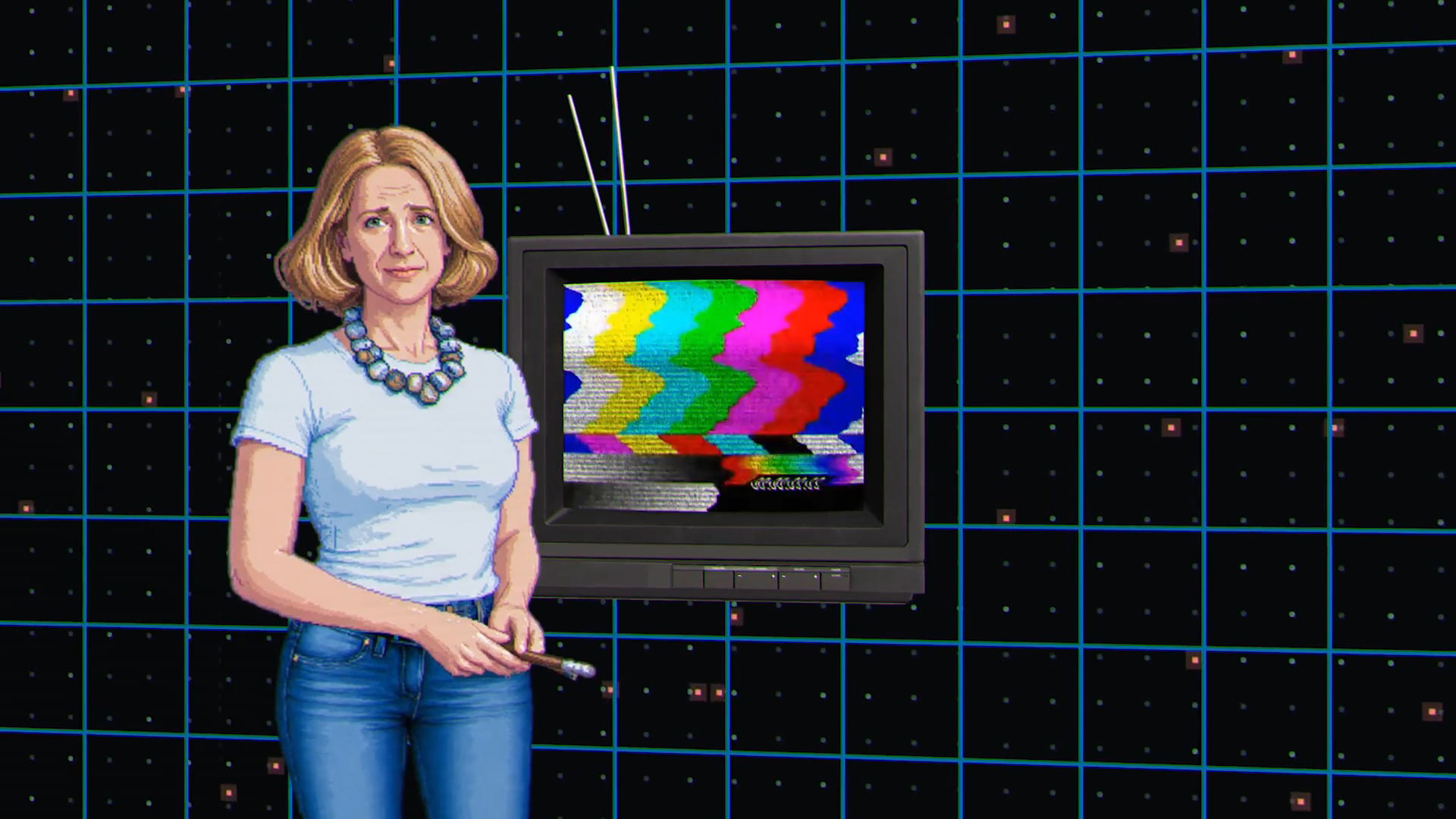
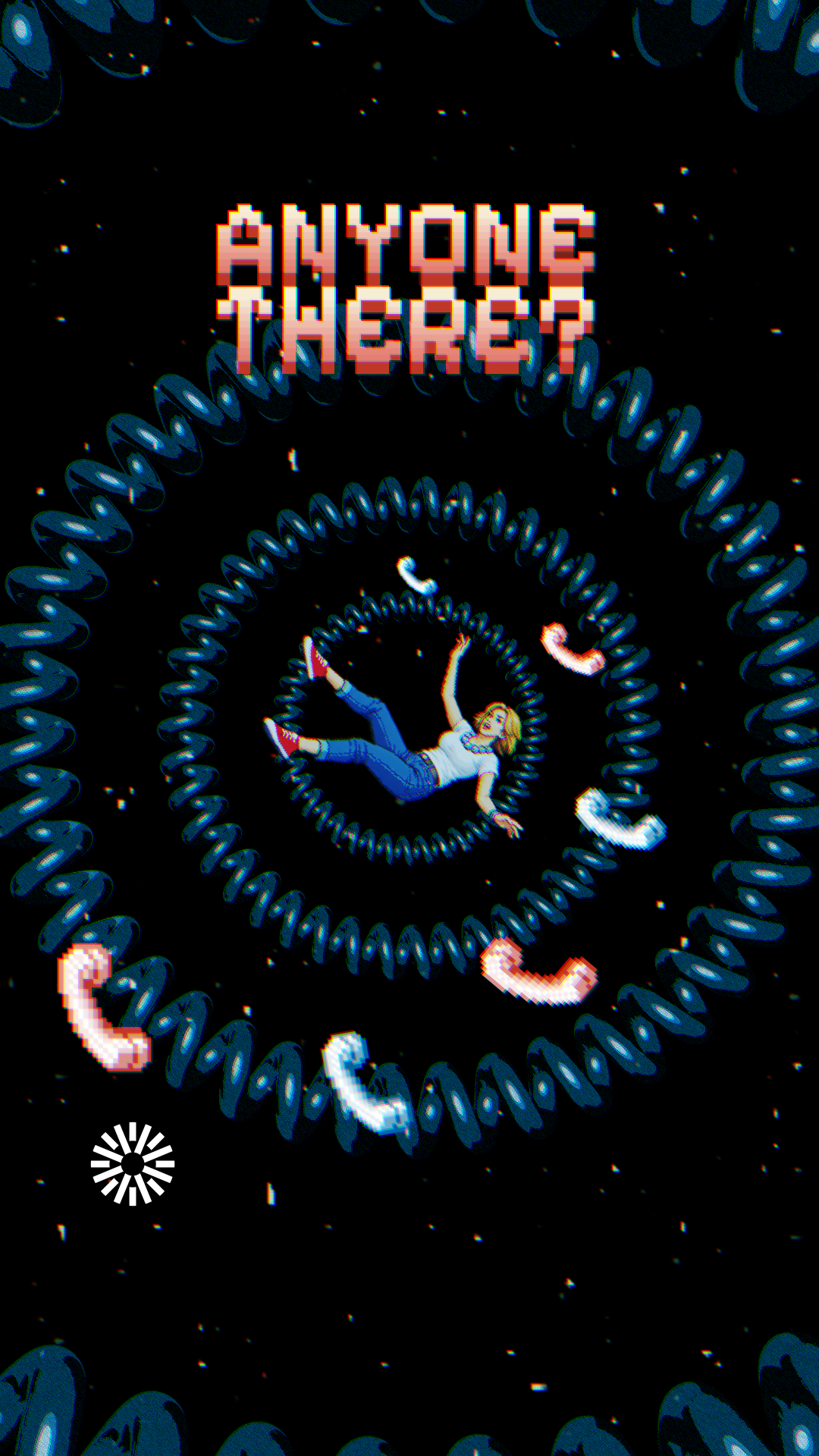
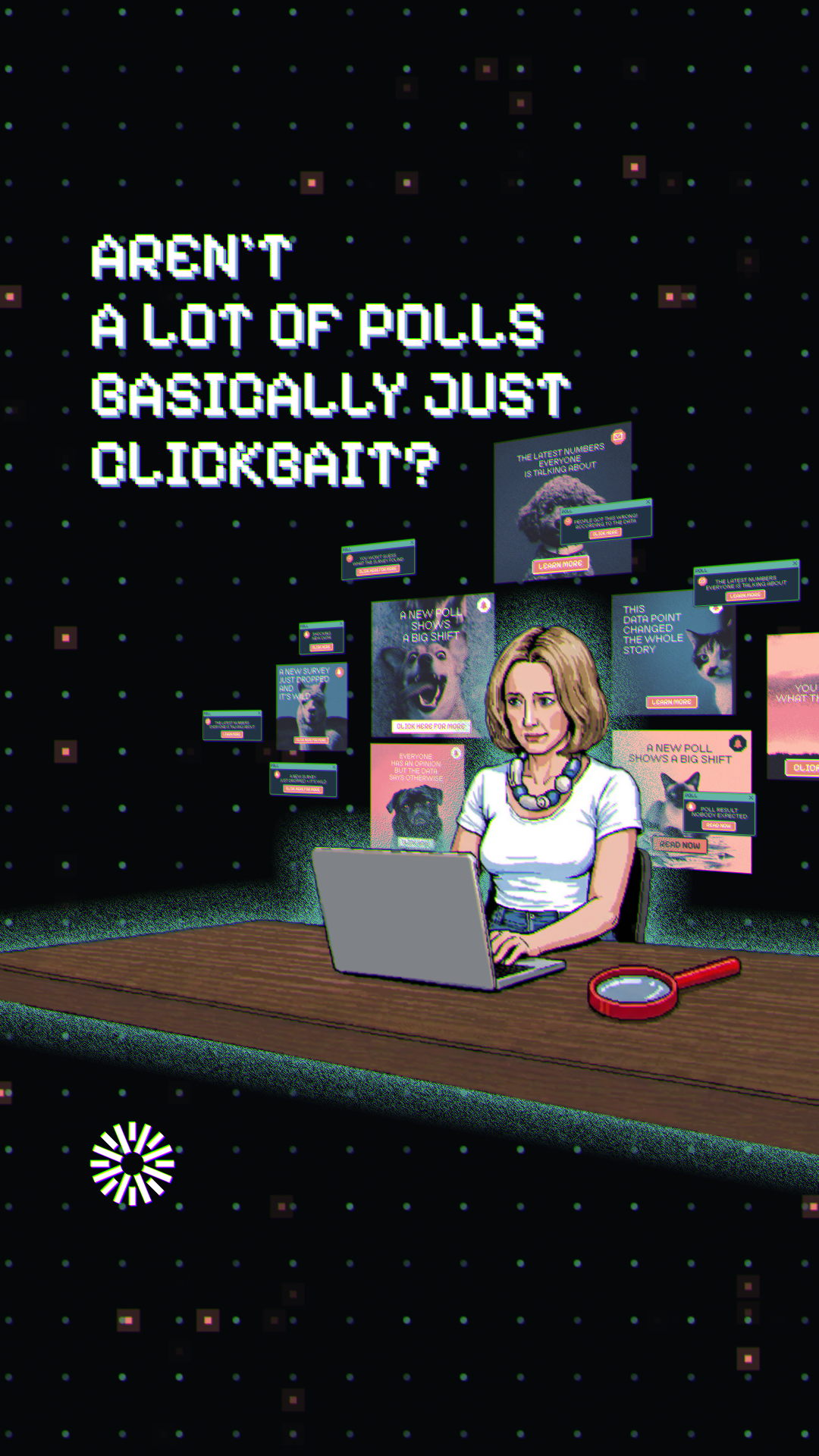
Retro desktop windows, pixel typography, CRT screens, and arcade-inspired animation connect the five episodes. This shared vocabulary gave the series a consistent identity while leaving room for each subject to take a different visual form. A horse race becomes a game scene; a pug at a keyboard introduces a mischievous character; a montage of red telephone receivers brings a burst of color and graphic rhythm.
Making the explanation move
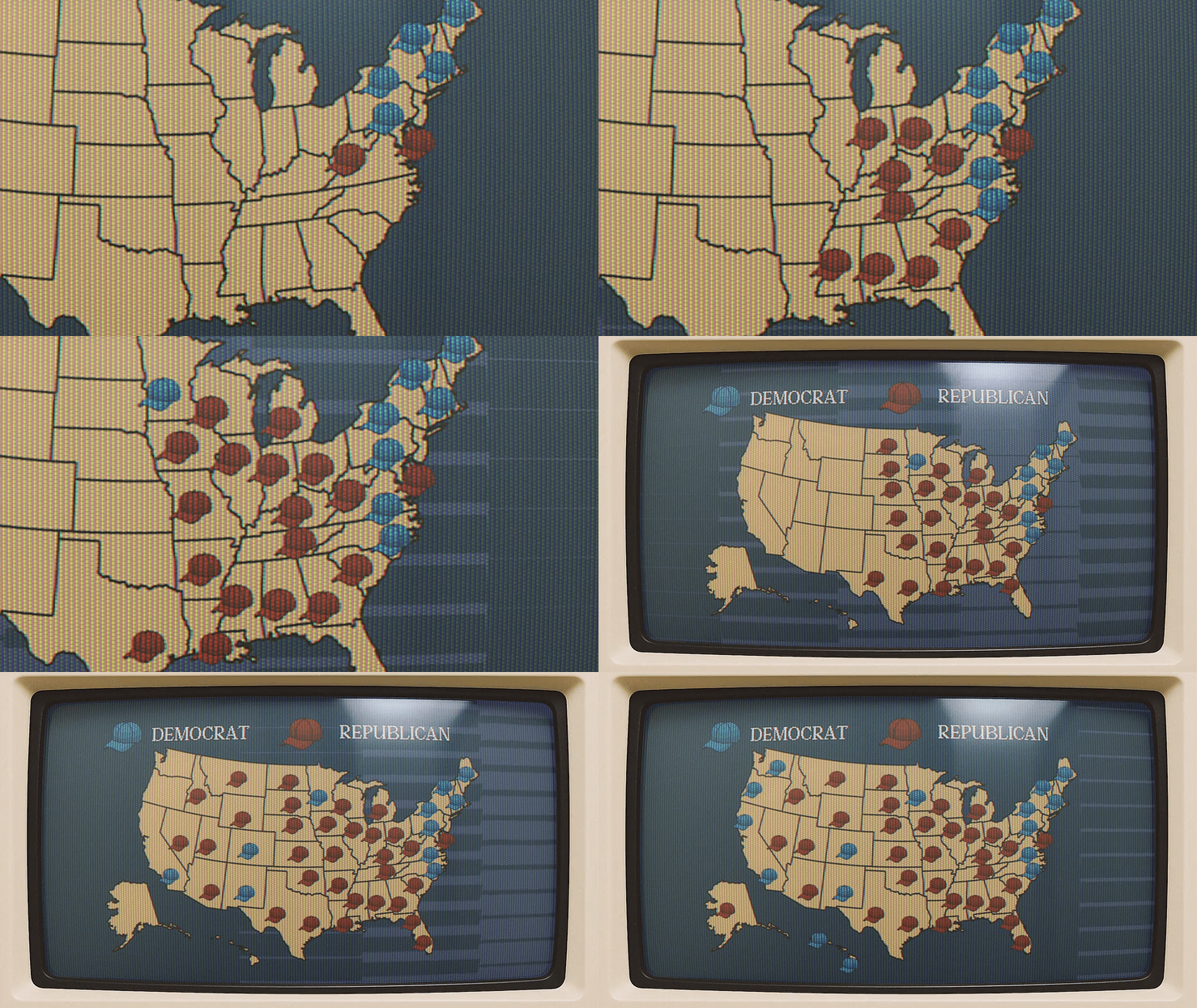
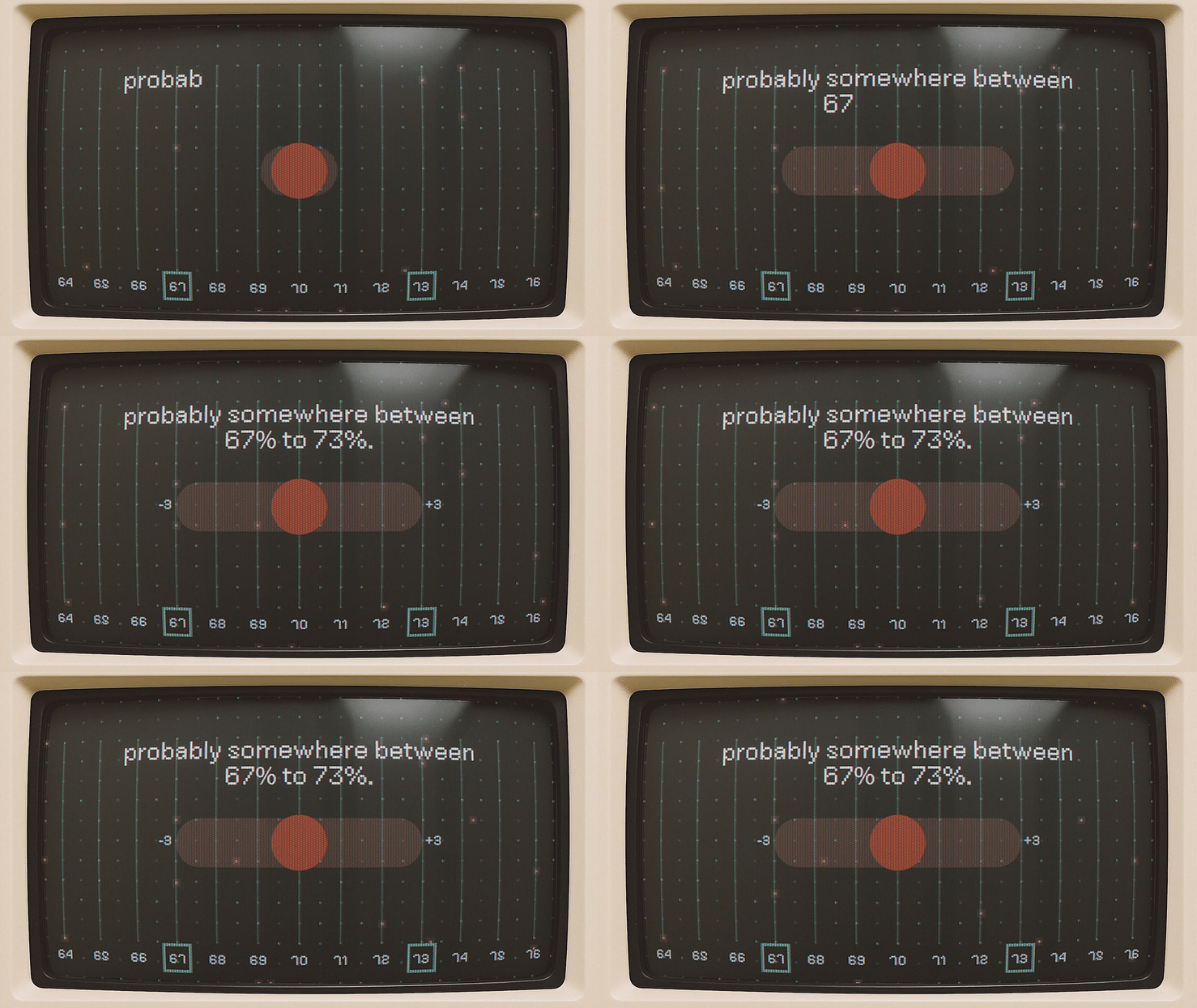
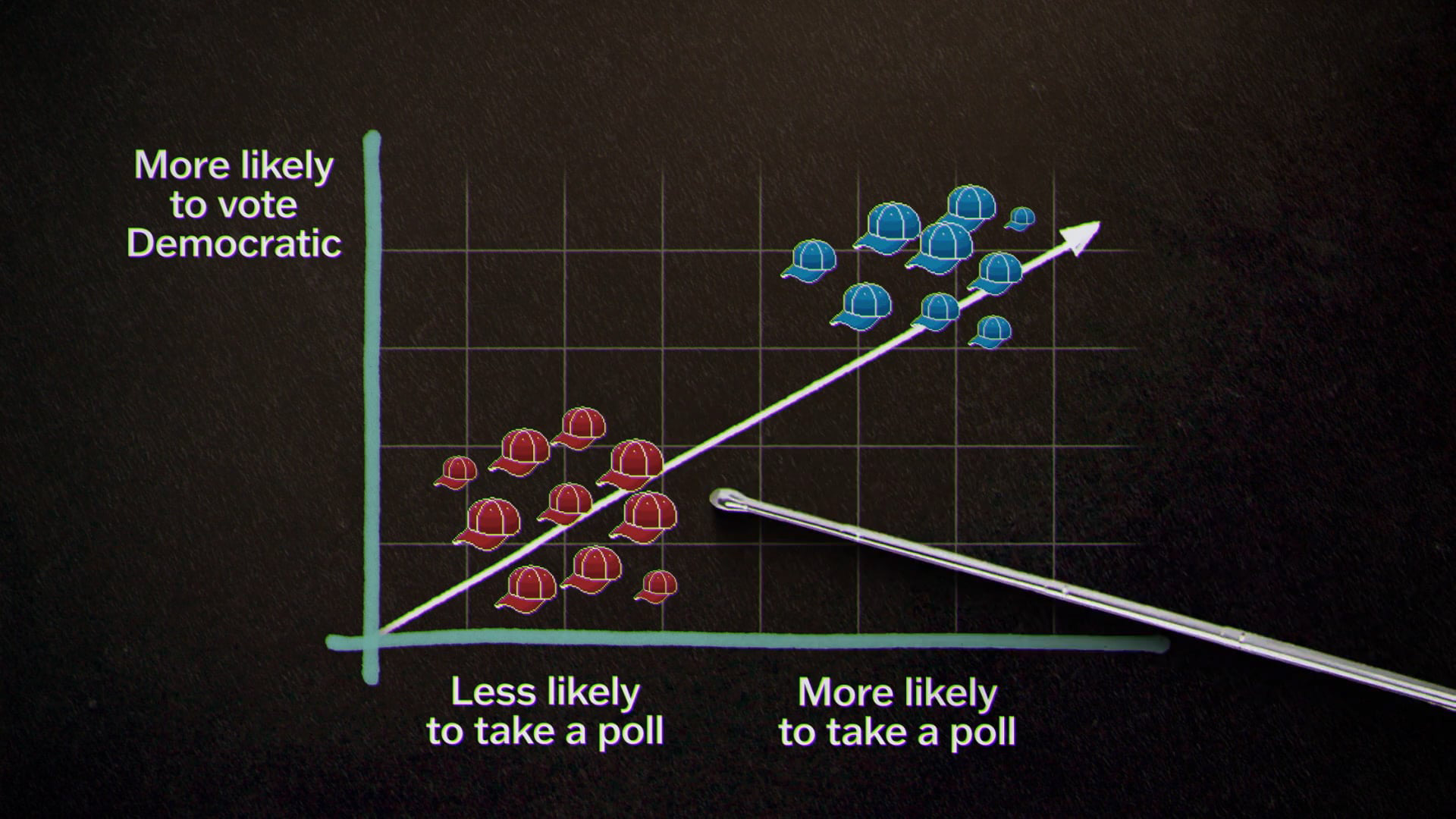
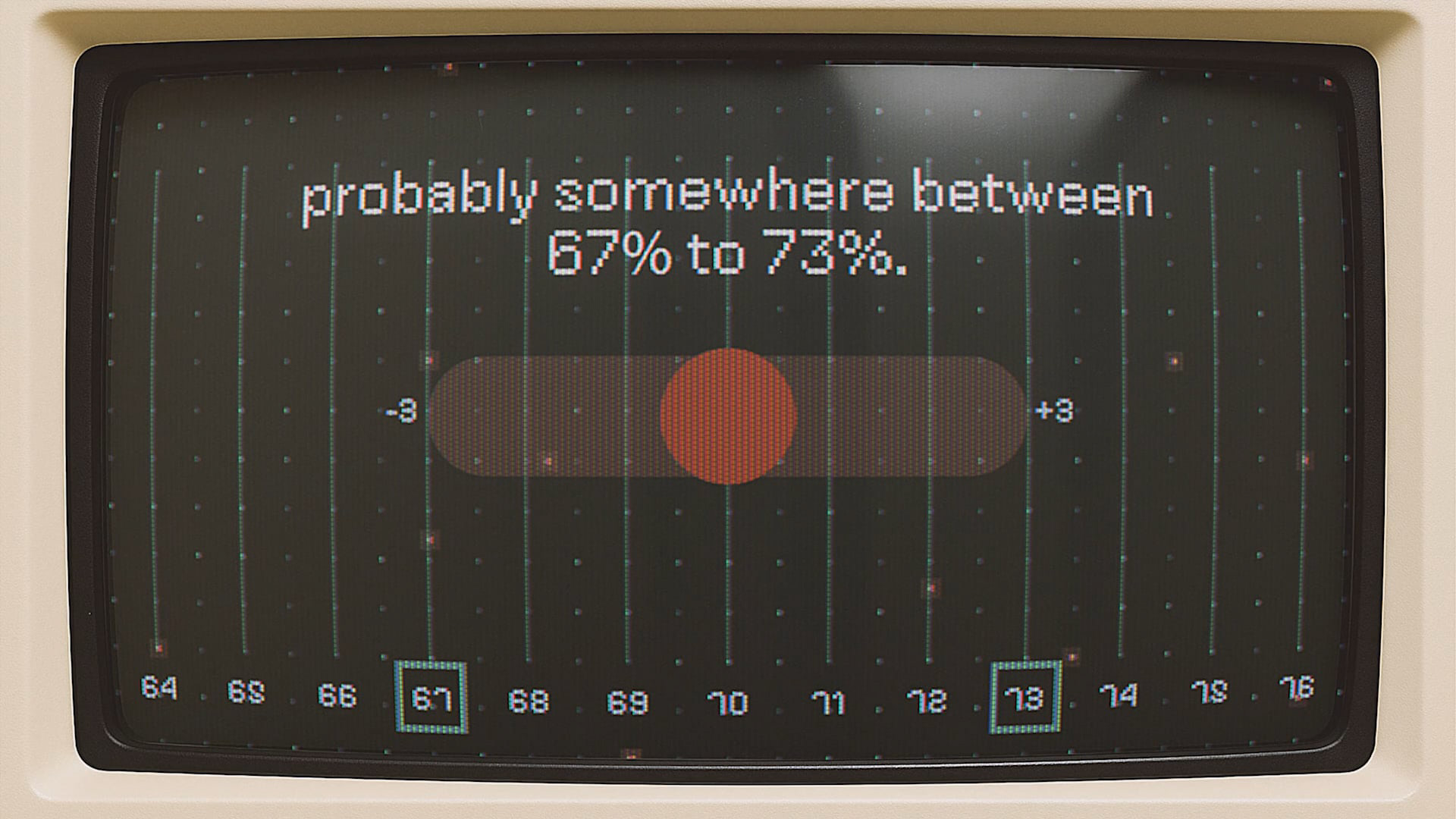
The same visual language carries into the information design. Charts unfold inside computer monitors, labels appear in sequence, and pointers guide attention. In the margin-of-error sequence, a single point expands into an interval. Elsewhere, chart lines develop over time and chalkboard graphics build around illustrated symbols. Motion provides a way to stage an explanation, with each element arriving when it is needed.

Directing the details
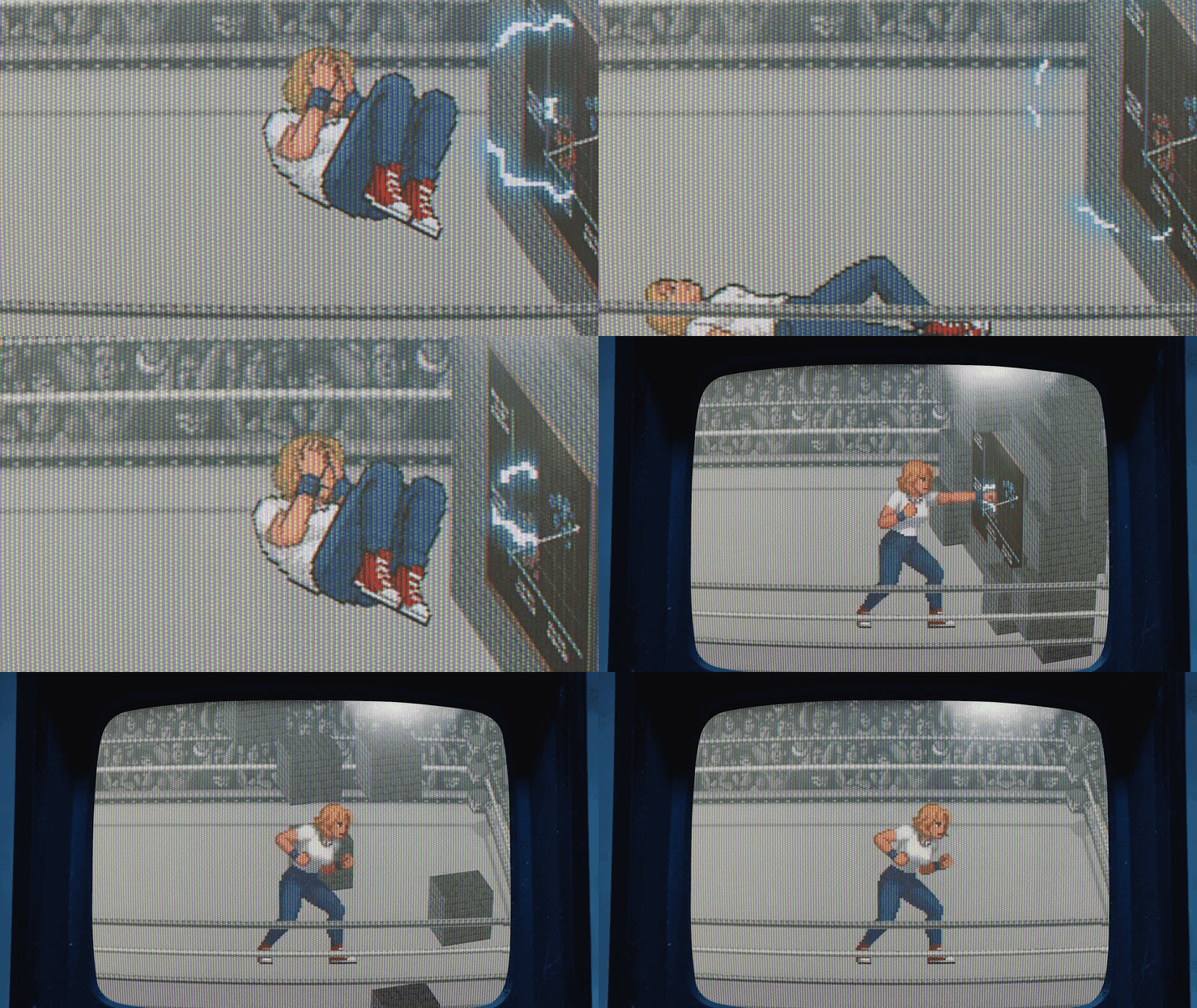
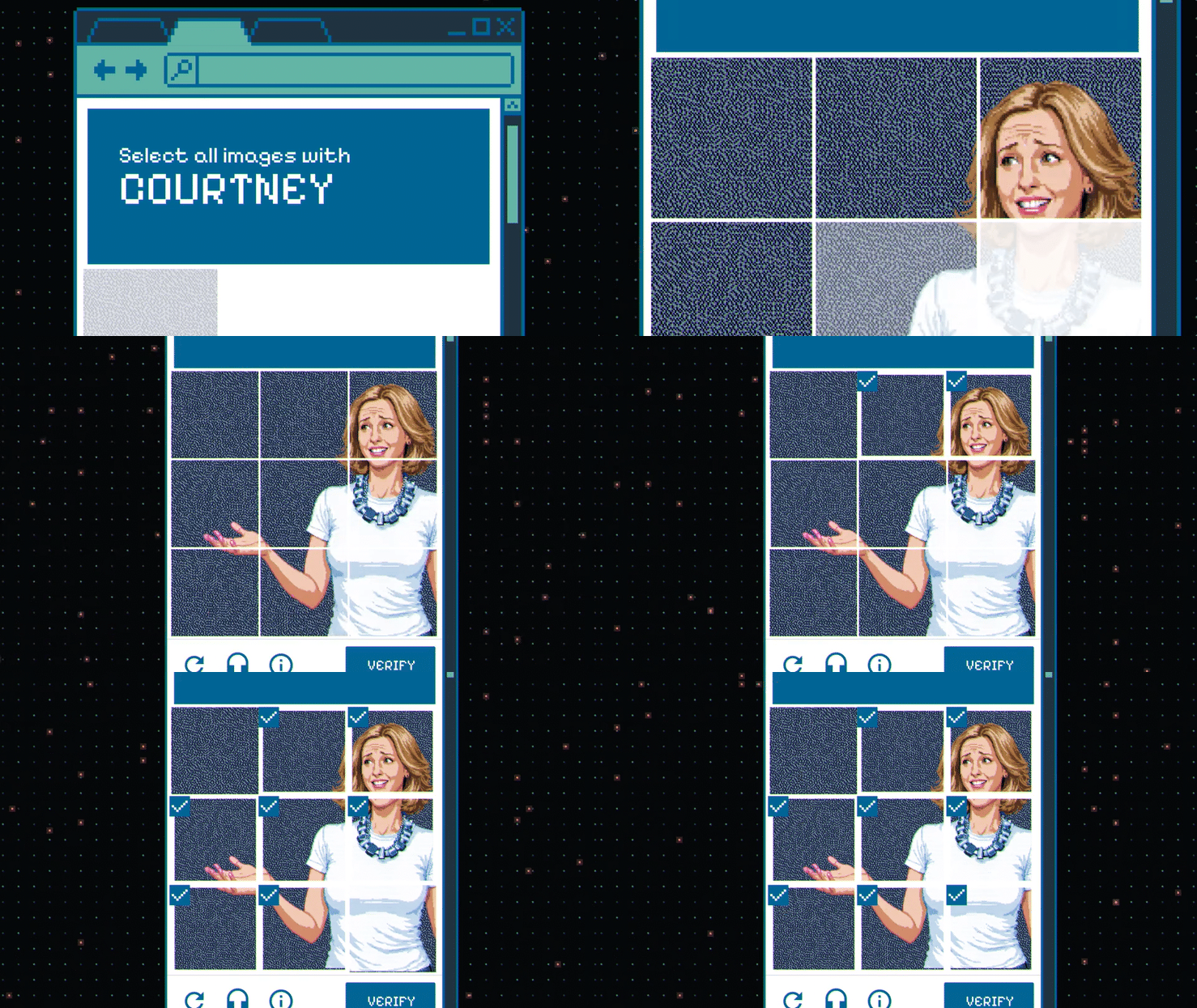
Dlas led animation direction and art direction, combining hands-on storyboarding, design, editing, and animation with sourcing freelance illustrators for key scenes and bringing in a sound designer for the series. Stock footage sourcing and the integration of these contributions were part of the studio’s production scope. Small character moments, including a Courtney CAPTCHA and an arcade-style encounter with a chart, gave the episodes room for humor within the overall visual approach.
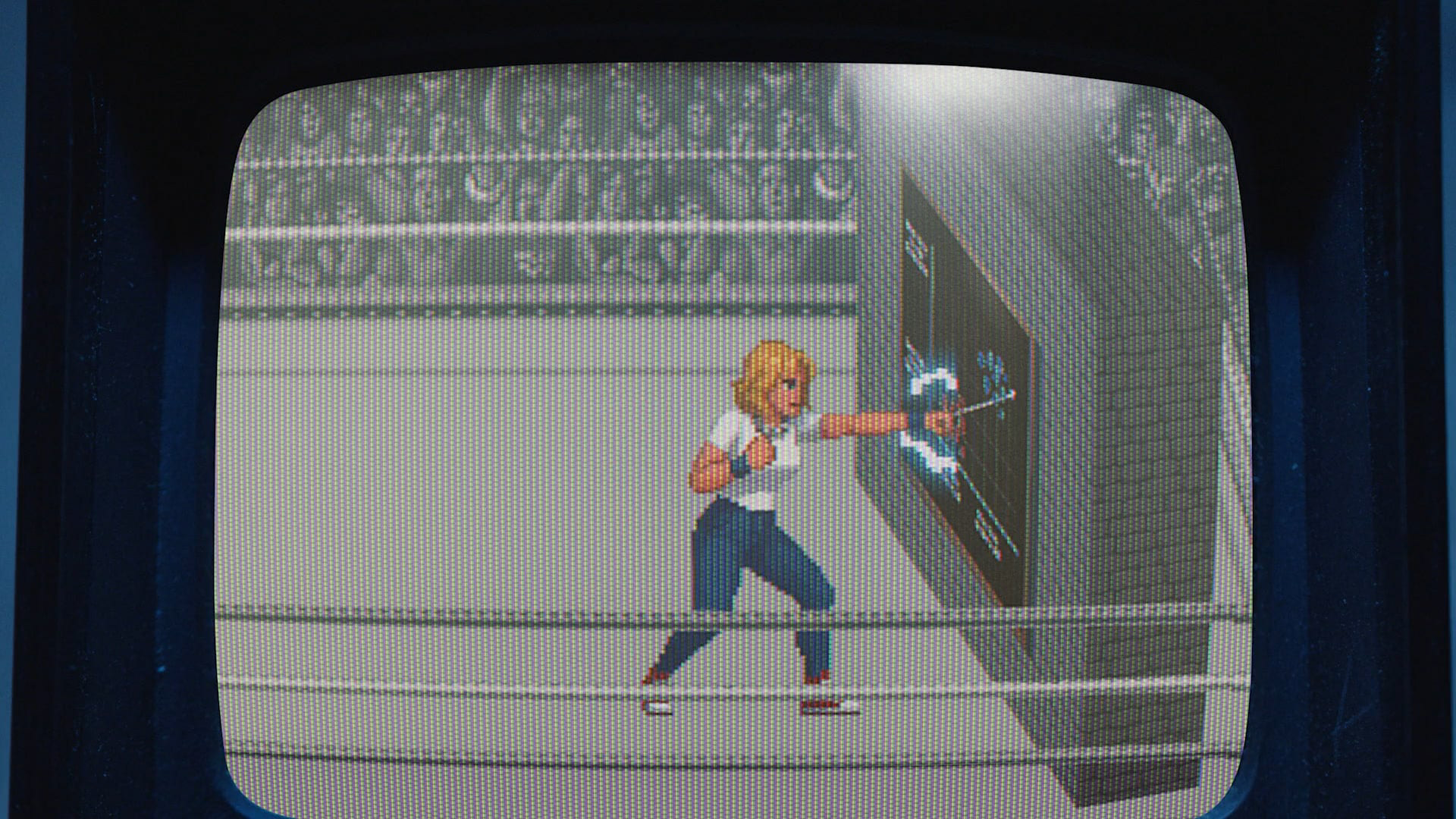
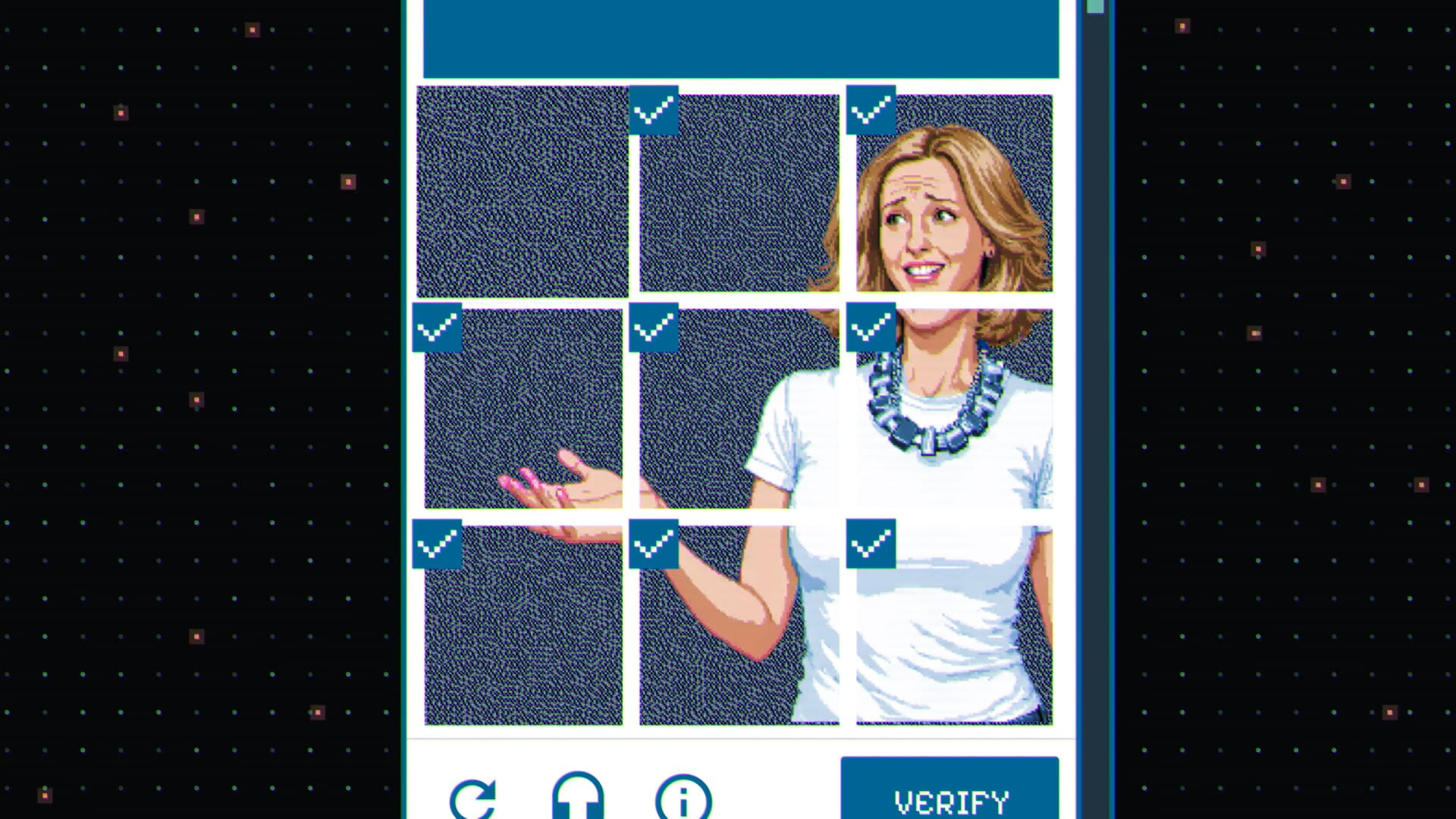
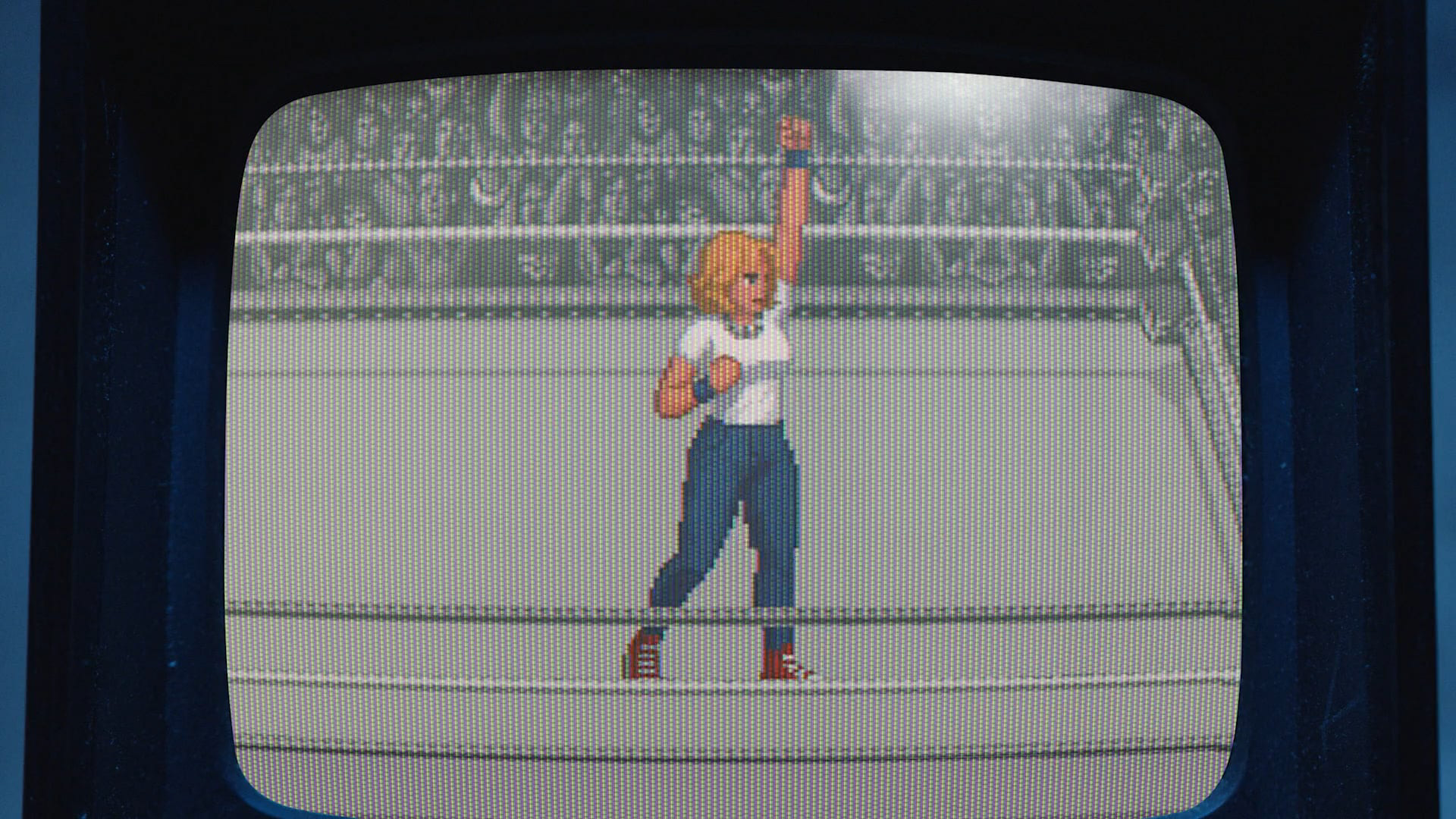
Developing Courtney’s 16-bit look
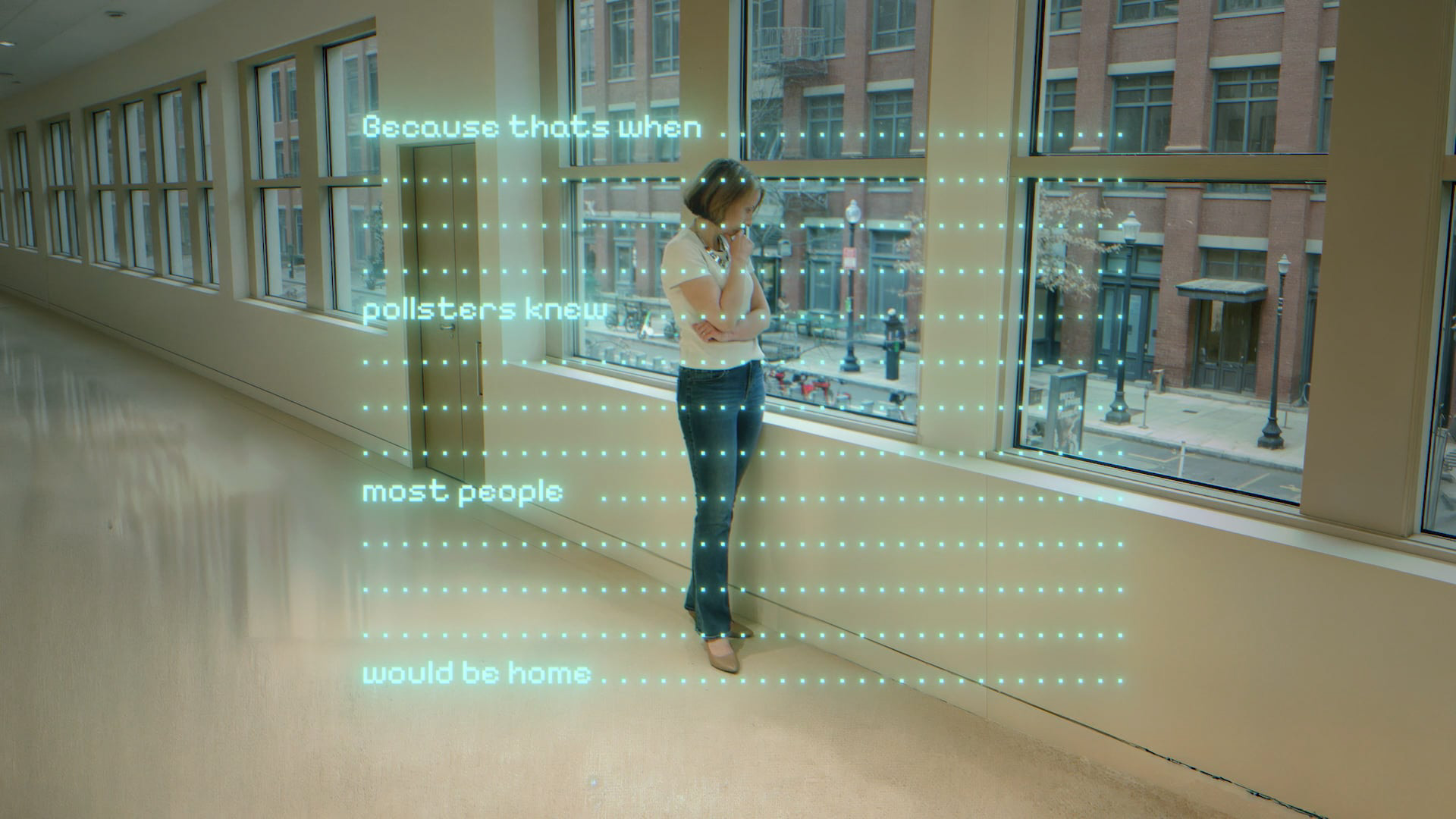
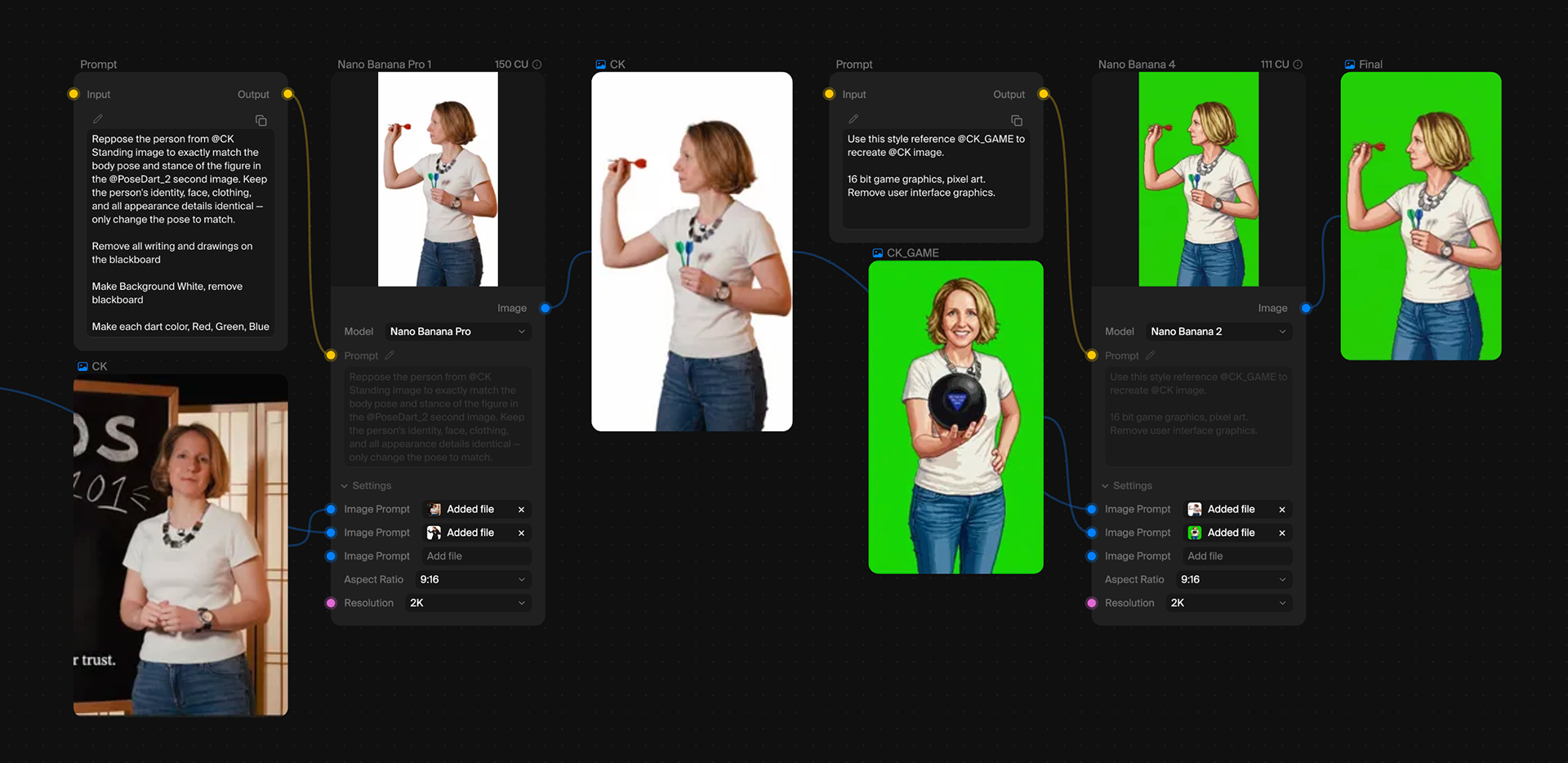
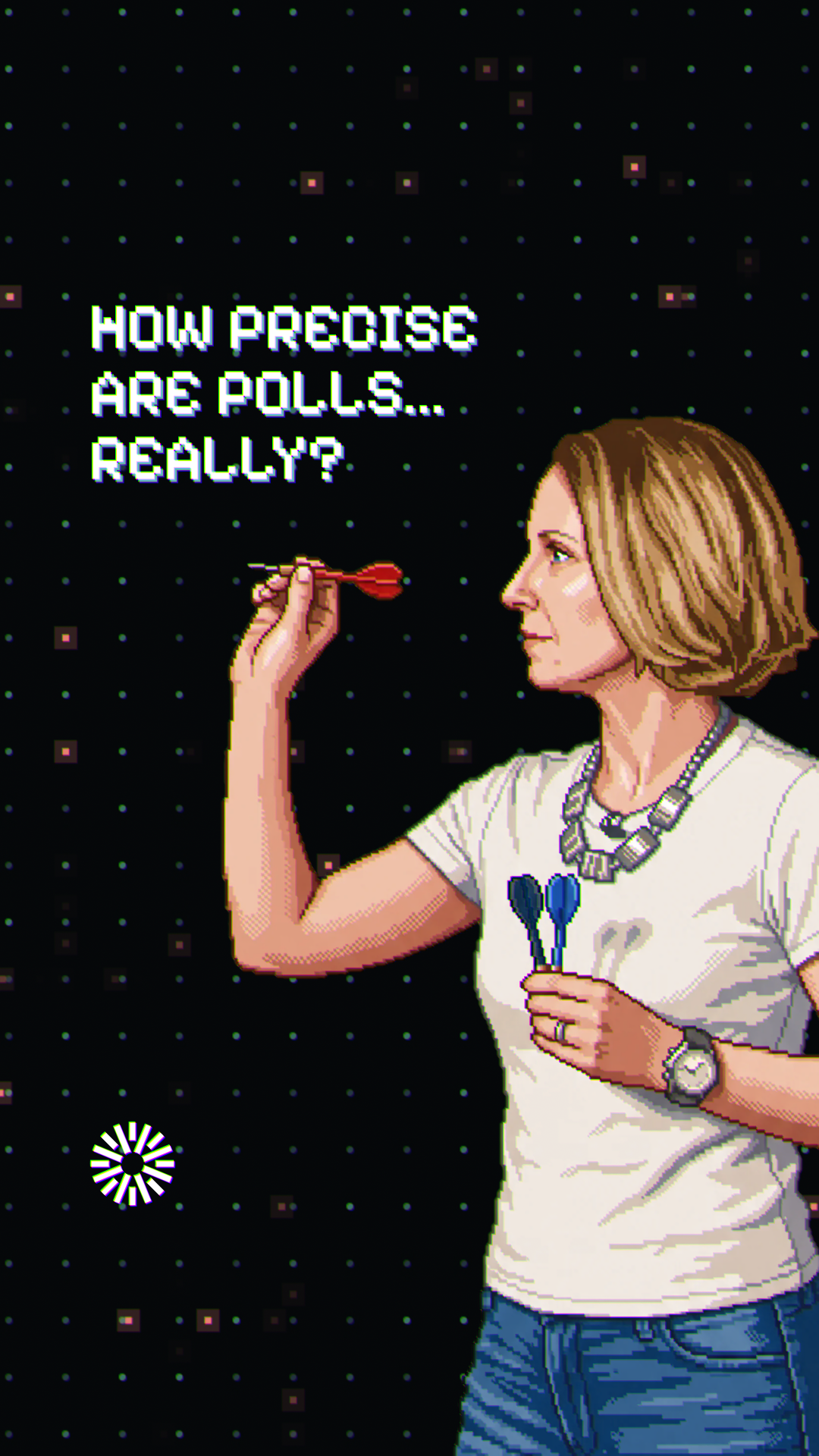
To create Courtney Kennedy’s retro game look, Dlas developed a node-based image workflow in Krea.ai. Selected key frames from the shoot using Adobe After Effects, then used prompts and style references in Krea.ai to reinterpret the selected frames as 16-bit-inspired imagery. The workflow connected her on-camera appearance to the series’ arcade aesthetic, with frame selection and visual direction guiding the AI-assisted transformation.
Carrying the series into social
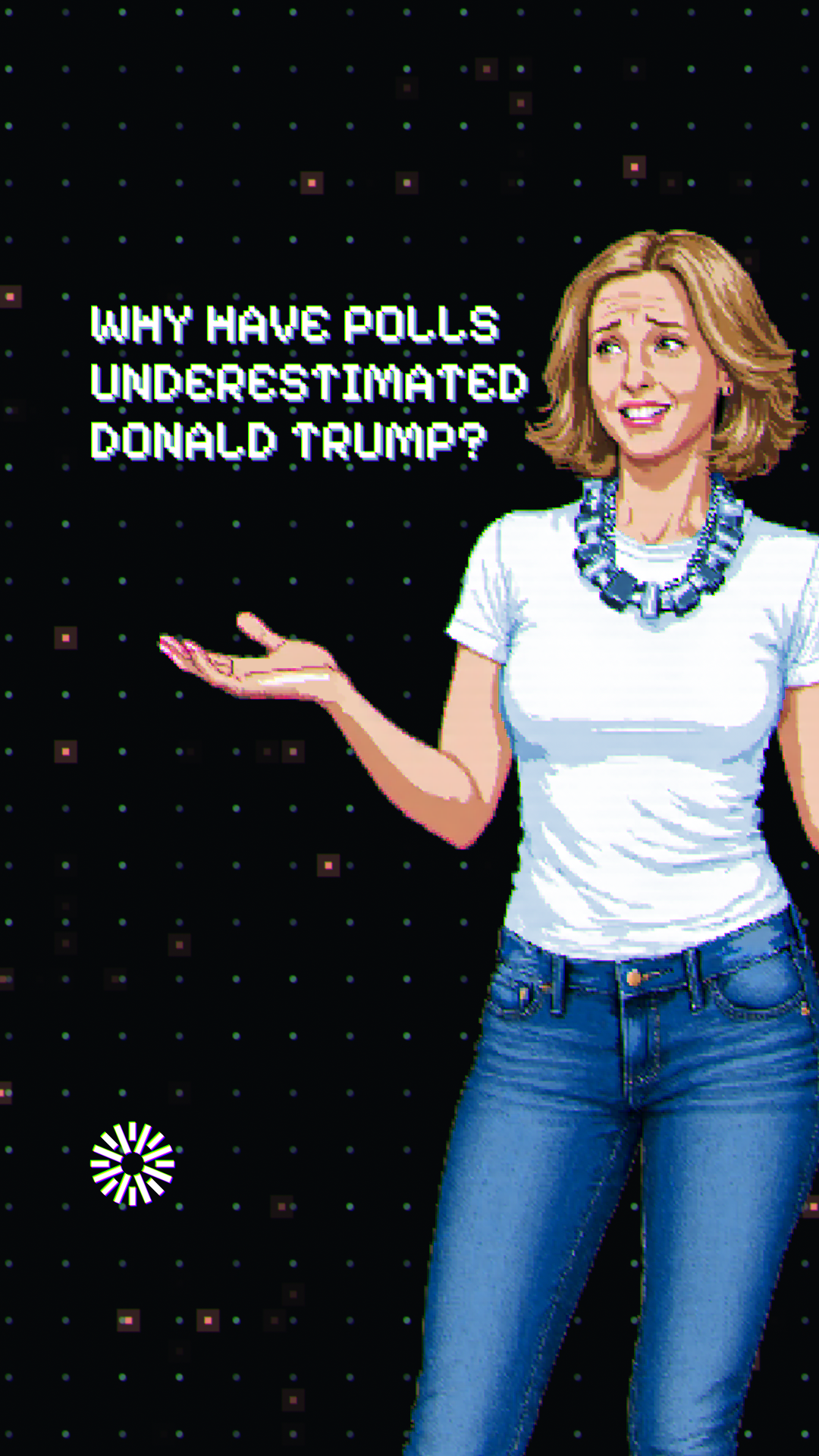
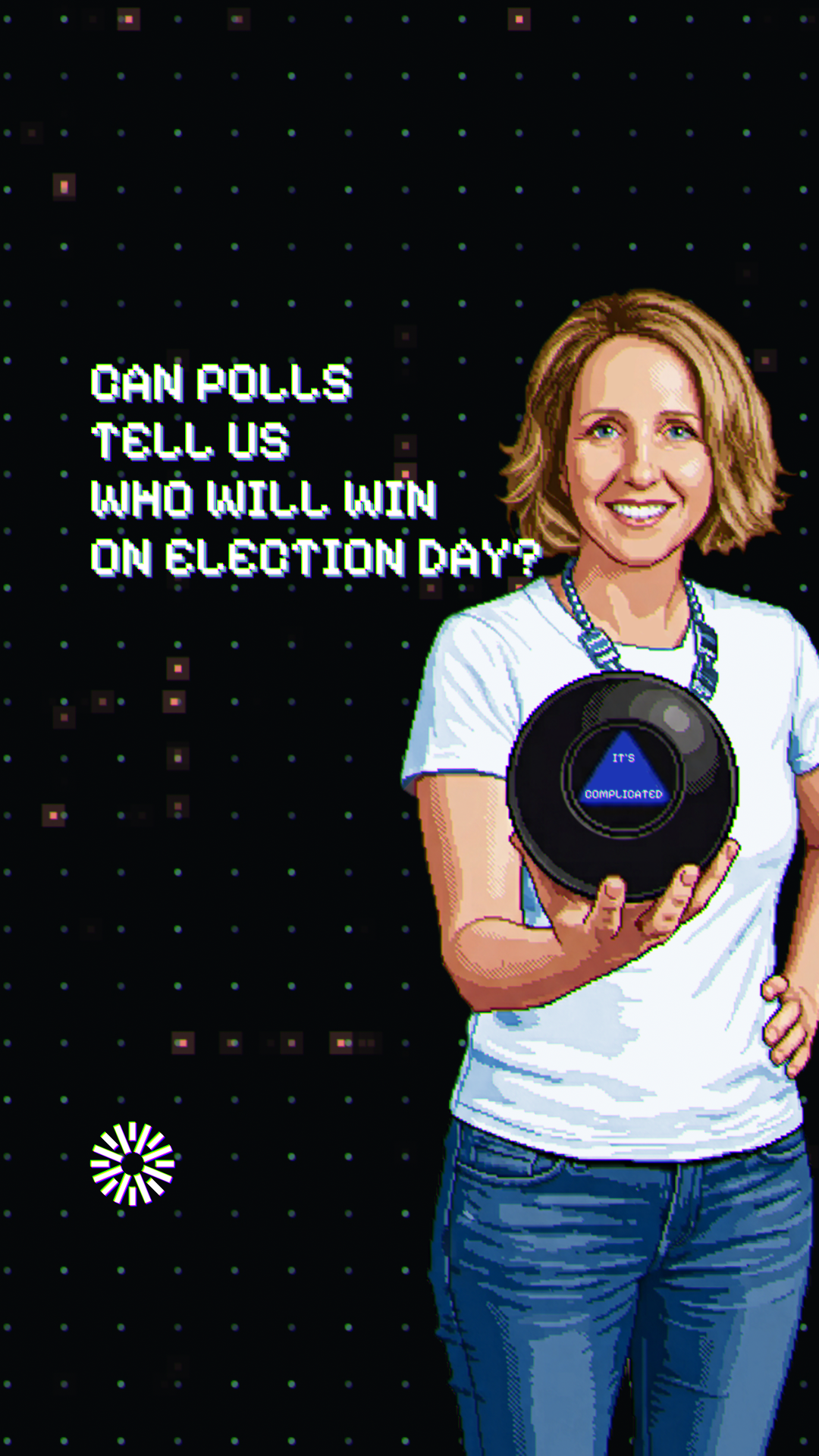
Alongside the episodes, we designed thumbnails for YouTube, Instagram, LinkedIn, and Facebook. These assets extended the series’ look across Pew’s social channels, connecting the films with the imagery used to introduce them.
Credits
Commissioned by: Pew Research Center
Creative Director & Story Editor: Kimberly Arias & Sara Atske
Host & Researcher: Courtney Kennedy
Studio: De Los Angeles Studio
Animation direction & art direction: Fabian Tejada
Design & Illustration: Jesus Cardenas, Hannah Churn
Sound Design: Chris Mastellone
Creative Director & Story Editor: Kimberly Arias & Sara Atske
Host & Researcher: Courtney Kennedy
Studio: De Los Angeles Studio
Animation direction & art direction: Fabian Tejada
Design & Illustration: Jesus Cardenas, Hannah Churn
Sound Design: Chris Mastellone
Deliverables
Five short episodes; visual development; storyboards; design; editing; animation; stock footage sourcing; illustration and sound design collaborator sourcing; and social thumbnail design.